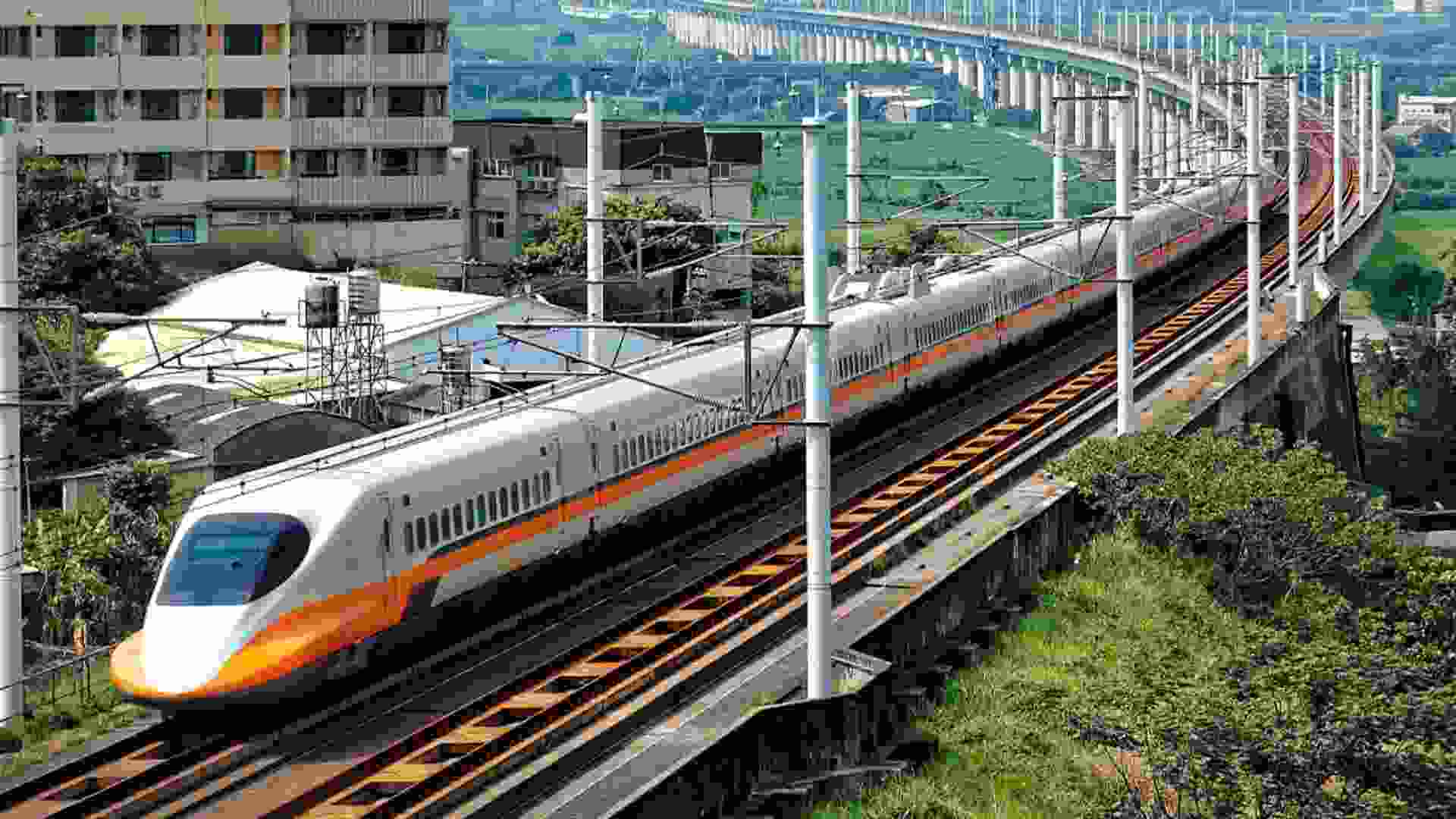
7 New High-Speed Rail Corridors in Union Budget 2026: India’s Next Mobility Leap The major milestone on the Indian railway network will take place when the Government of India through the Union Budget for the year 2026 – 2027 will announce the addition of 7 brand new high-speed rail corridors by the Honorable Finance Minister, Nirmala Sitharaman; we believe this also marks another significant period in Indian history and its impending move forward; an evolution from minor improvements towards total mobility. These new High-Speed Rail Systems
The Seven High-Speed Rail Corridors at a Glance The proposed corridors are designed to connect India's major economic, industrial and cultural centres in the West, South and North:
1. Mumbai – Pune
2. Pune – Hyderabad
3. Hyderabad – Bengaluru
4. Hyderabad – Chennai
5. Chennai – Bengaluru
6. Delhi – Varanasi
7. Varanasi – Siliguri
The thing that makes this news remarkable is that the focus of the announcement was to take a network approach with high-speed rail and not to treat high-speed rail as a single "prestige" project. This announcement clearly indicates that the government is committed to creating a national system of interconnected transit services.
Why High-Speed Rail Makes Sense Now India is rapidly becoming urbanised. Population growth in large urban areas is causing the distance between cities to be much greater than ever before, resulting in a higher volume of inter-city travel than ever before. In addition, there has been a dramatic increase in public highway congestion in almost all parts of the country, and most conventional rail systems are close to capacity on their busiest routes.
High-speed trains can help solve these issues on many levels - they will allow for faster travel between pairs of cities that currently require six to eight hours to reach by conventional road or rail systems; they can provide an environmentally friendly alternative to both short-haul flights and heavy traffic on heavily-dense local roads while supporting India's commitment to sustainability; finally, rail systems
Rail Lines That Function as Economic Corridors The corridors will not just be for travelling from one place to the next, but will be designed as centres for growth along their lengths.
The Mumbai-Pune and Chennai-Bengaluru routes already have many established industries and new industries, and allow for the possibility of same-day business trips. The connections from Hyderabad further establish it as a major centre for transportation between Western and Southern India. Similarly, the Delhi-Varanasi-Siliguri routes will improve access to the regions of Northern India and provide better access to Eastern India and the North Eastern Regions.
Historically, transportation improvements have resulted in real estate development, created jobs, streamlined logistics, and established new industrial clusters close to rail stations and feeder areas. High-speed rail will have the added effect of reducing the actual distance between major population Centres.
Building on Past Experience The first project for India’s bullet train has created a new benchmark regarding high technology in railroads, including safety standards, land acquisition processes, and international partnerships. However, the announcement of 2026’s Union Budget builds upon the lessons learned, thereby encouraging confidence in India’s ability to successfully develop large-scale capital-intensive rail construction projects.
The expansion of high-speed rail from being exposed through one corridor to multiple corridors is further evidence of the fact that the high-speed rail industry is being integrated into mainstream transportation instead of remaining an experiment.
Part of a Larger Infrastructure Vision The corridors suggested coincide nicely with the government-wide Infrastructure Plan for the 2026 Financial Year. They are backed by the substantial investment in public infrastructure capital that we are also making, further enhancing our priority of building new freight corridors, expanding inland waterways, and creating more efficient urban economic regions across the country.
These combined efforts will help us achieve lower logistics costs, a more productive nation, and continued GDP growth
Conclusion Seven new high-speed rail lines in India, and this milestone represents a watershed for infrastructure development. The 2026 Union budget has made it clear that faster connectivity, moving towards smarter growth and providing sustainable forms of transportation will become national priorities.
When these rail corridors are properly developed using an organized, disciplined approach with long term goals, they will not only reduce travel times on these corridors, but also significantly alter the geographic distribution of economic activity throughout India—by creating a closer proximity between cities; redistributing opportunities throughout the country; and transforming the way that mobility will support economic growth for many years to come.
FAQs Q1. What was announced for high-speed rail in the Union Budget 2026? Plans for developing seven new high-speed rail corridors to enhance inter-city connectivity and spur regional development were recently revealed by the government.
Q2. How many high-speed rail corridors are proposed? To date, there have been proposals for seven new high-speed rail corridors across the western, southern and northern regions of India.
Q3. Which regions will benefit the most from these corridors? Each corridor will serve as a direct connection from one major city or economic centre located within Maharashtra, Telangana, Karnataka, Tamil Nadu, Uttar Pradesh, or West Bengal.
Q4. Why is high-speed rail important for India right now? Travel time is shortened; greenhouse gas efficiency is increased; road and air transportation resources are alleviated; and long-term economic growth will result from these rail connections.
Q5. Are these corridors only for passenger travel? These corridors will primarily enhance inter-city travel, but they will also create economic opportunities for businesses that are situated along the respective rail routes through increased logistics efficiency.
.png)
-compressed.jpg)
.jpg)


.png)
.png)
.png)
.png)