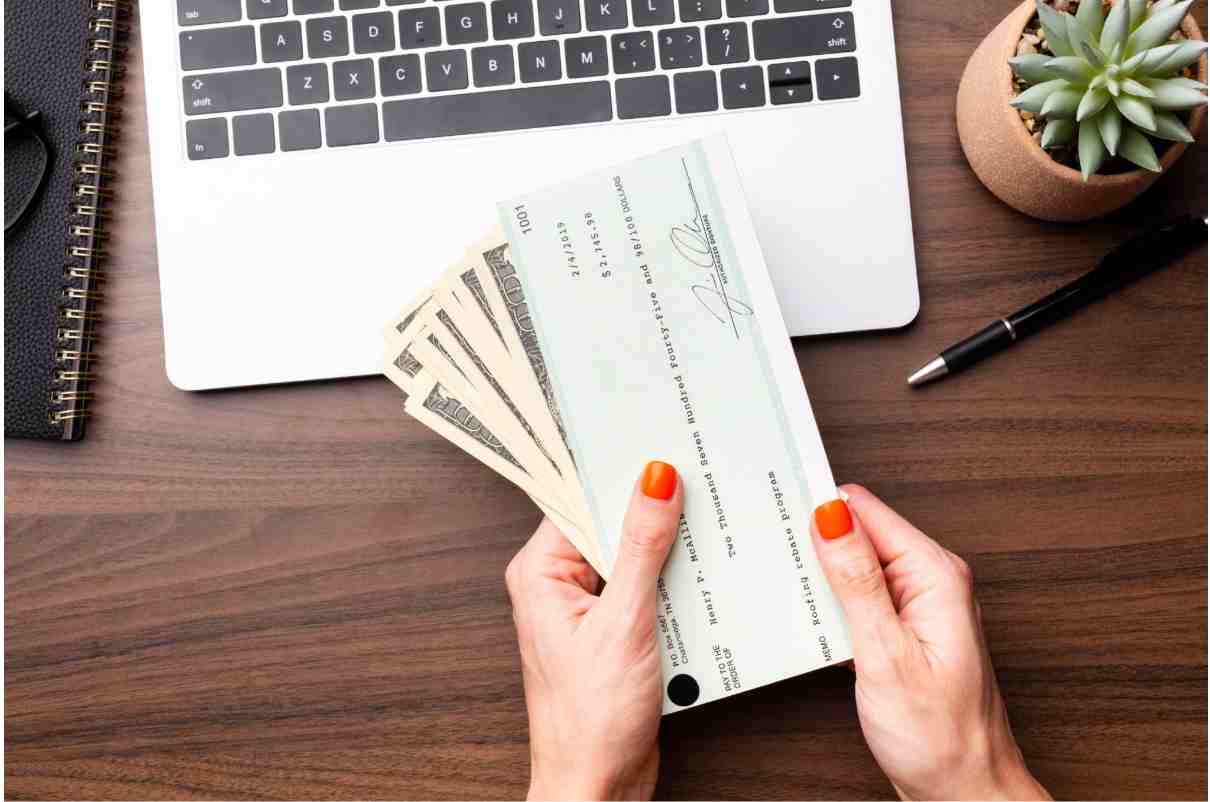
Difference between a cheque and a demand draft The distinction between a cheque and a demand draft is essential for businesses dealing with large sums of money. As a business owner, your reputation is made by the reliability of your payments. While digital transfers like NEFT and RTGS are common in 2026, many official and high value transactions still mandate physical means of payment. The choice often boils down to two options: the humble cheque and the bank guaranteed demand draft or DD. But for a business, this is not about convenience. Rather, this should be about managing Counterparty Risk. This makes understanding the cheque vs demand draft comparison essential for avoiding payment failures.
This guide analyses the difference between a cheque and a demand draft from a business perspective. We will evaluate the risk, how to use which one, and the exact scenarios where each should perform.
Who issues a cheque and a demand draft The most important and fundamental difference is who takes the responsibility for the payment.
The cheque: This is issued by you (the account holder). When you sign a cheque, you are ordering your bank to pay a specific amount to someone else. The bank only pays if you have enough money in your account at that exact moment.
The demand draft: This is issued by the bank. To get a DD, you must first give the bank the money (plus a small fee). The bank then writes the draft itself. This means the bank is now the “payer”, making it a much more reliable instrument for the person receiving it.
Learn more about cancelled cheque
The risk of cheque bouncing The legal consequences for a “cheque bounce” have always been more strict.
Cheque Risk: There is always a risk that a cheque may bounce or be dishonoured for various reasons such as insufficient funds, signature differences, or even a date mistake. If your cheque bounces, you may even face legal consequences according to the negotiable instruments act.
Demand Draft Security: A DD cannot bounce due to insufficient funds. Why? Because the bank has already taken the money from you before they even printed paper. For the recipient, a DD is “as good as cash”.
2026 bank charges and validity Feature Cheque Demand Draft or DD Issuance Cost Usually free (first 10-25 leaves) Bank Commission Applies (eg, ₹25-₹200+ is a rough range.) Validity 3 months from the date of issue. 3 months from the date of issue Stop Payment Possible with a small fee Generally not possible unless stolen or lost Account Req. Must have a bank account Can be issued even without an account
HindustanTimes Notes: For any cash payments of DDs above ₹50,000, RBI rules require you to provide your PAN card details to prevent money related crimes like laundering.
When to use a cheque or a demand draft Choosing between them is not a big deal at all. In fact, the choice comes down to how much you trust the person you are paying.
A cheque: You can use a Cheque for monthly rent, for paying a trusted friend, or for low-value business transactions where a slight delay or a small risk is acceptable.
A demand draft: You should use a DD for University admission, government tenders, property purchases, or when paying a complete stranger. If the transaction is “critical.”always should go with a DD.
Conclusion The difference between a cheque and a demand draft is essentially based on one word that provides certainty. While a cheque is a convenient tool for personal and professional needs, it is based entirely on your own account balance and signature. However, a demand draft is a tool that provides 100% peace of mind to the recipient of the payment,
As 2026 progresses, the banking world is moving towards digitalization, and yet, the legal and financial security offered by these paper instruments remains unchanged. Whether you are signing a personal cheque or visiting your bank to get a DD, these rules help you manage your finances with complete confidence and professional integrity. It is therefore important to double-check the name of the payee and also the 2026 commission rates charged by banks to decide which instrument to use for your transactions, depending on the importance of your transactions for your business.
FAQs Can I cancel a demand draft if it is not used? Yes. You must take the original DD back to the branch that issued it. The bank will cancel it and refund the money to your account, though they will usually deduct a small cancellation fee which is as small as ₹100-₹300.
What is an “account payee” instrument? Both cheques and DDs can be marked “Account Payee.” This means the money can only be deposited into the bank account of the named person. It cannot be cashed over the counter, which adds a layer of security against theft.
Can a non-bank customer get a demand draft? Yes, why not? You can walk into almost any bank with cash and ask for a DD. However, the bank will charge you a higher price for commission than they charge their own account holders. Plus, you will need to provide ID proof. It is important to note that many banks discourage or limit cash DDs.
What should I do if my cheque bounces? If your cheque bounces due to insufficient funds, contact the payee immediately to settle the amount. You will be charged a “Cheque Return Fee” by your bank. In 2026, although repeated bounces may not negatively impact your CIBIL score , it still weakens your banking relationship and creditworthiness later on.
Can I revalidate an expired demand draft? Yes. If your DD has passed the three month validity, only the person who purchased it, or the drawer, can take it back to the bank for revalidation. The bank will typically extend it to another three months for a fee.
Want to make smarter financial choices? Try Swipe for FREE!
.png)
-compressed.jpg)
.jpg)


.png)
.png)
.png)
.png)