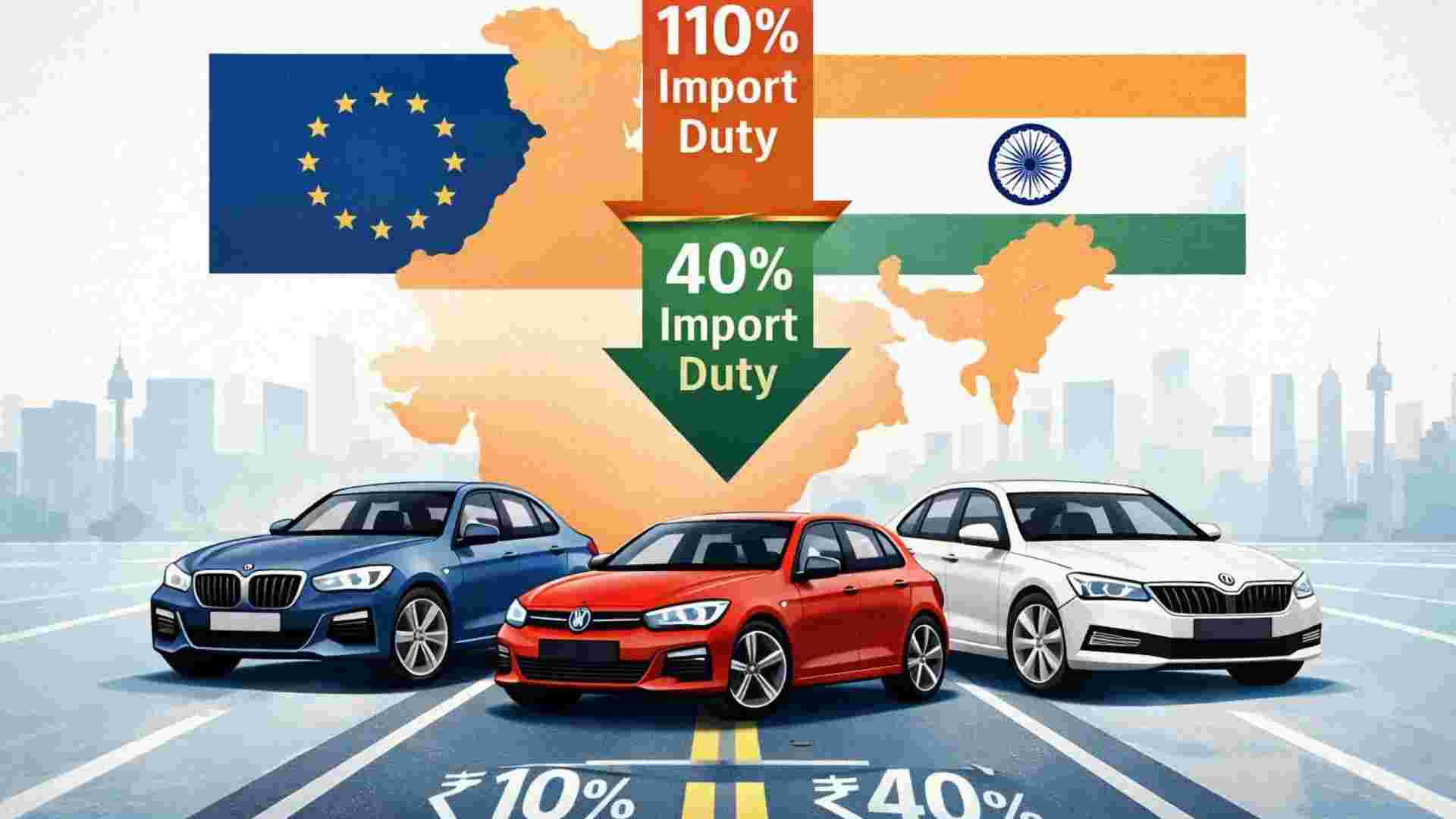
EU–India Trade Deal Explained: Vehicles Set to Get Lower Import Tariffs in India The India- EU trade deal brings about a significant achievement for the automotive sector in India, having years of development. They will also impact product and service trades and exchanges between these two regions, including vehicles made by manufacturers in Europe, which have been very interesting to those who are fans of motor and luxury brands, as well as to those who manufacture. Generally speaking, the tariffs that have made the sales of vehicles to the Indian marketplace by European manufacturers so difficult have been among the very highest in the world. The tariff reductions resulting from this agreement are expected to help overcome these obstacles to vehicle sales in India over an unspecified period of time. This will result in new, lower pricing and improved access to European-made vehicles for consumers and dealers alike.
Expected Impact on European Vehicle Prices in India Brand Model / Segment Fuel Type Import Type Estimated Price Movement (India) BMW M2, M4, M5 (imported trims) Petrol CBU ₹1.05–1.30 Cr → ₹75–95 Lakh Mercedes-Benz AMG C63, AMG GT, AMG SL Petrol CBU ₹1.10–1.60 Cr → ₹85 Lakh–₹1.20 Cr Audi RS5, RS7, RS Q8 Petrol CBU ₹1.10–1.50 Cr → ₹85 Lakh–₹1.10 Cr Porsche Cayman, Boxster Petrol CBU ₹1.40 Cr → ₹95 Lakh–₹1.05 Cr Porsche Select 911 variants Petrol CBU ₹2.20–2.80 Cr → ₹1.60–2.00 Cr Volkswagen Golf GTI / Golf R Petrol CBU ₹52–60 Lakh → ₹35–42 Lakh MINI John Cooper Works (JCW) Petrol CBU ₹50–55 Lakh → ₹38–42 Lakh BMW M135i, M240i (imported) Petrol CBU ₹55–65 Lakh → ₹40–48 Lakh Porsche Taycan Electric CBU No short-term change expected BMW i4, i5, i7 Electric CBU No short-term change expected Audi e-tron range Electric CBU No short-term change expected BMW / Mercedes / Audi Locally assembled models ICE / EV CKD Marginal reduction via cheaper components
Why European Cars Were So Expensive in India India applies import duties ranging from seventy per cent (70%) to over one hundred ten per cent (110%) on completely built unit (CBU) vehicles. This has led to:
1. A new €60,000 vehicle in Europe will almost always cost double the price when it is imported into India.
2. As a result, many automotive brands have been compelled to use local, completely knocked down (CKD) assembly.
3. There have been many niche/performance models that have never been officially introduced into the Indian automotive market.
This tariff structure offers protection to domestic manufacturers while at the same time limiting consumer options, distorting price structures for the premium and luxury segments of the automotive marketplace.
What the EU–India Trade Deal Changes The new trade agreement states that India will gradually reduce import tariffs on vehicles made in Europe, although the reductions won’t happen instantaneously. Some of the major points include:
1. The initial reduction in high duty rates was about 40%.
2. Gradual progression of the duty rate from approximately 40% to about 10% during the next few years.
3. The duty-free importation of vehicles will be limited to the number of vehicles permitted to be imported in a given year; however, there will be no limit on an annual basis.
4. The duties will apply only to certain vehicle categories and segments.
As a result, India has been able to strike a balance between protecting domestic industries and meeting its international trade obligations.
Vehicle Categories That Benefit the Most 1. Petrol and Diesel European Cars (CBU Imports) Vehicles that will see the most significant financial benefit from a reduction in import taxes are direct imports from Europe of Internal Combustion Engine (ICE) vehicles.
These include:
1. BMW M Models (some imported variants).
2. Mercedes-AMG performance vehicles.
3. Audi RS Performance Vehicles.
4. Porsche Cayman/Boxster and selective forms of 911.
5. VW performance vehicles, such as Golf GTI.
Reduction of import duty will reduce the price of these vehicles by approximately 20-30% (or more, depending on brand strategy in terms of how they pass on this benefit).
Therefore, a car that was previously priced around ₹1.2 crore could potentially be priced at ₹80-90 lakh depending on the brand’s volume & price positioning.
2. Performance and Niche Enthusiast Cars
The possibility of revitalising niche segments in India as an indirect outcome of this agreement is significant.
Performance hatchbacks and compact enthusiast vehicles have been perceived unfavourably in the past because of their price, due to very high rates of duty; however, there is now a real opportunity for them to be reintroduced into India.
Some examples are:
1. VW GTI and Golf R.
2. MINI JCW.
3. BMW M Performance Compacts.
These vehicles had not been rejected by Indian consumers due to any lack of desire; rather, the market was unable to accept them due to the prices created by import duties.
What About Electric Vehicles? Expectations about electric vehicles (EVs) need to be realistic at this point.
Discussion points currently state that:
1. There are no full (and immediate) tariffs for EVs.
2. Initial phases have included priority access for ICEs.
3. EVs may have an inclusion period of a maximum of five years before being given priority.
The rationale is simple: India is building its homegrown EV ecosystem, and by cutting tariffs on imported luxury EVs, it would harm local manufacturers.
For example:
1. Porsche Taycan, BMW i-series/BMW E-series, and Audi E-tron will likely not see short-term price reductions.
However, once EVs are included in the longer term, it could affect the prices substantially.
Auto Components: The Silent Game-Changer Automotive Parts & Components... An Important Yet Strategic Foundation.
The following outlines the proposed benefits for the automotive industry:
1. Reduce or eliminate duties on imports of automotive parts/components made in Europe.
2. Improve access to high-quality automotive powertrain, electronics & safety systems.
3. Reduce production costs for assembly of locally manufactured luxury vehicles.
Not only will this benefit imported vehicles being manufactured here, but also CKD vehicles and locally manufactured luxury vehicles, enabling them to be priced more competitively, across the board, ultimately resulting in price parity for all segments of automotive production.
Important Limitations to Understand As such, there will not be a sudden influx of affordable European vehicles resulting from this agreement.
Specific constraints can include:
1. Restrictions on annual imports
2. Restrictions on ultra-limited or hyper-exclusive vehicles
3. Restrictions on how brands determine their pricing
4. Implementation time frames of how long it takes for the products to reach the market
In simple terms, this is a structural correction and not a pricing revolution.
Impact on the Indian Auto Market The planned implementation of this agreement will help realise:
1. Increased competition within the luxury and premium sectors.
2. Broader product choice of European brand items.
3. Less reliance on grey-market imports.
4. Greater long-term commitment of EU auto manufacturers to India.
5. More logical pricing for global models.
Most importantly, Indian consumers will be able to buy vehicles they could not otherwise afford because of taxes rather than demand.
Final Verdict The EU–India trade deal does not reduce import tariffs for all European cars. Benefits are limited to select petrol and diesel vehicles imported as CBUs, mainly luxury and performance models brought in under annual quotas. These cars may see gradual price corrections, not instant cuts. Electric vehicles and locally assembled European cars are excluded in the short term, with only indirect benefits expected later through cheaper components. In short, this deal makes specific European cars more realistically priced, not universally cheaper.
FAQs Q1. What is the EU–India trade deal about? An agreement between the EU and India has been established in order to increase the flow of goods between these two parts of the world by lowering the tariffs placed on imported products from each side.
Q2. Will European cars become cheaper in India because of this deal? The overall cost of importing a large number of European-manufactured cars to India is expected to decrease as a result of this agreement; however, it could take time for all types of vehicles and for consumers to realise the full benefit of this tariff reduction.
Q3. Which vehicles will benefit the most from lower tariffs? The major advantage of this new Supposedly Free Trade Agreement is for imported vehicles that are completely assembled (CBUs) in Europe, especially those manufactured towards the high end of the automobile market.
Q4. Will all European cars get tariff benefits? Tariffs related to imported vehicles will only be reduced for specific classes of vehicle(s) with a cap placed on the number of units that may be brought into India every month. Not all vehicles manufactured in Europe (including all models) will be eligible for this lowered tariff treatment.
Q5. How much will import duties be reduced on cars? The phased reduction of tariffs for vehicles imported from Europe is anticipated to be a dramatic transition from greater than 100% currently to around 40% for the first year and potentially down to approximately 10% in the long term
.png)
-compressed.jpg)
.jpg)


.png)
.png)
.png)
.png)