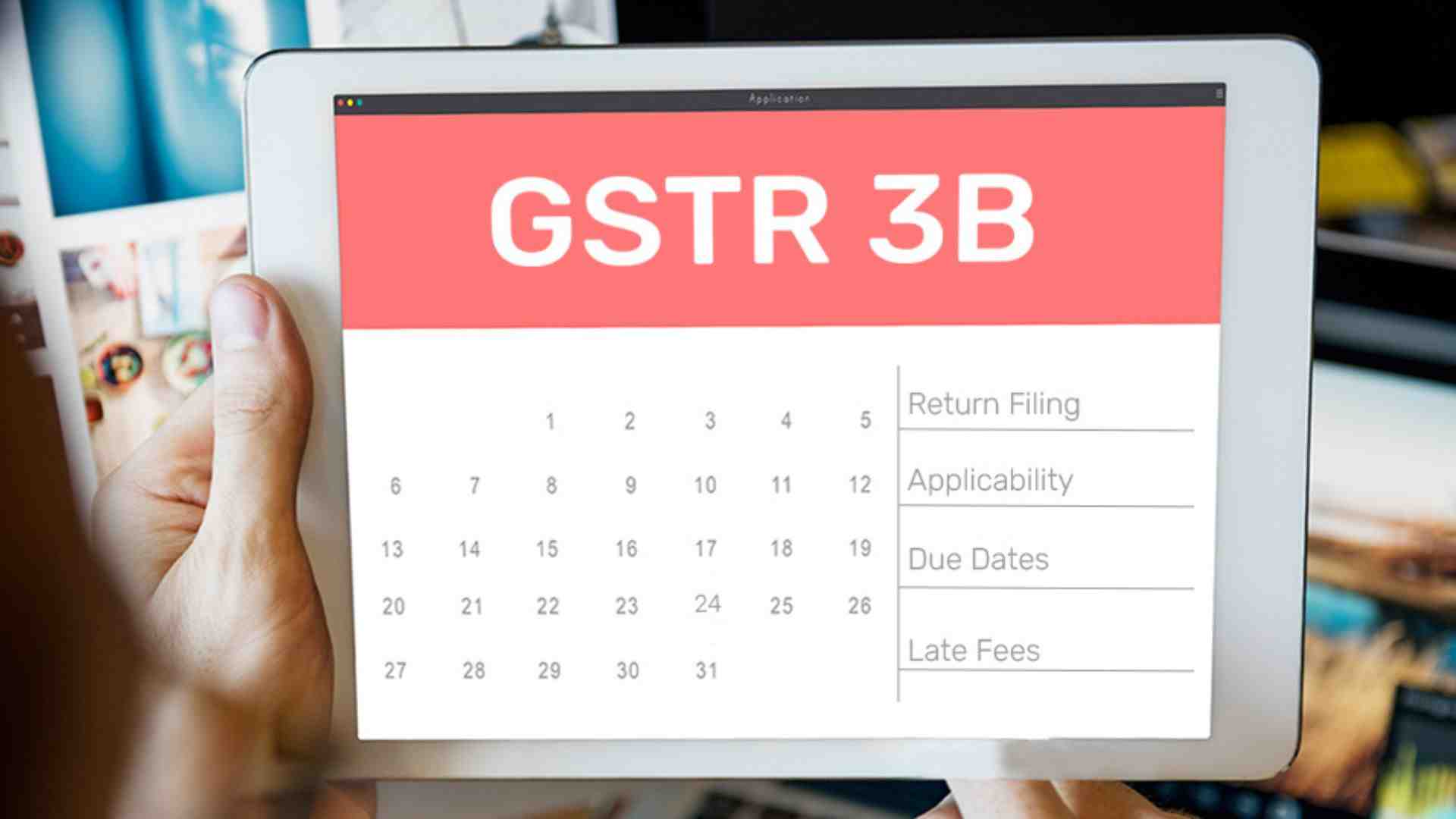
GSTR-3B: Due Date, Late Fee, Format, Return Filing, Eligibility & Rules Explained GSTR-3B is one of the most critical compliance requirements that businesses in India must fulfil if they are registered for GST. The GSTR-3B is a self-declared summary of all outward supplies and input tax credit (ITC), tax liability and tax payments by a business each month. Since GSTR-3B The GSTRN has a lot of significant changes made to it from June 2021 to December 2023. The main changes made during this period include the addition of auto-population locks, non-editable Table 3.2, the three-year filing time limit, and the integration of IMS with import transactions. This article provides you with the latest and most complete view of how to file GSTR-3B as well as its due dates, penalties and rules, and best practices.
Latest Updates on GSTR-3B (2025) 5 December 2025 – Auto-populated Table 3.2 Becomes Non-Editable From the filing of November 2025 forward, any values that were automatically filled into Table 3.2 (for inter-state sales to non-registered people, persons under the Composition Scheme, and registered UIN holders) cannot be modified by the taxpayer in GSTR-3B.
The only way that taxpayers can rectify such errors is via either:
1. GSTR-1 for that same period. (Please note that it must be an amended return.)
2. Any GSTR-1/IFF filed after the period being amended.
Tip: The best way to reduce the need for amendment is to ensure complete accuracy when completing GSTR-1/GSTR-1A/GSTR-IFF.
30 October 2025 – IMS Now Displays Import of Goods Data Details within the Invoice Management System (IMS) now display BoE details, including imports from SEZs.
Taxpayers can take actions regarding BoE%Ns as of October 2025 onwards.
29 October 2025 – GST Returns Older Than 3 Years Cannot Be Filed As of 1 December 2025, the portal will not permit filing returns older than three years from their due date. These include, amongst others:
1. Monthly returns for October 2022.
2. Quarterly returns covering July–September 2022.
3. GSTR-4 returns for FY 2021–22.
September 2025 Due Date Extension The deadline for submitting GSTR-3B monthly on 20 October → 25 October 2025.
The deadline for submitting GSTR-3B for Quarter 2 of FY 2025-26 on 25 October 2025.
20 August 2025 – Relief Due to Maharashtra Rains For GSTR-3B returns due in July 2025, the deadline has been extended from 20 August to 27 August, and will cover those registered in Mumbai City, Mumbai Suburban, Thane, Raigad, and Palghar.
7 June 2025 – Hard Locking & 3-Year Filing Restriction Two significant changes have been made:
1. Filed returns for GSTR-3B forms due more than three years in the future cannot be filed after July 2025.
2. All auto-populated amounts due from July 2025 onwards will be locked from future modification (will be fixed amounts filed on or after 25 August 2025).
What Is GSTR-3B? GSTR-3B is a summary GST return
1. Every month for all regular Taxpayers.
2. Once every three months (Quarterly) for Taxpayers whose businesses are registered under the QRMP scheme.
Key characteristics:
1. Only one return is required for each GSTIN.
2. The relevant tax has to be paid before the return is filed.
3. Returns filed cannot be amended/revised.
All taxpayers must file a GSTR-3B return at least once every month, even if there is no GST liability.
Who Should File GSTR-3B? Every standard GST-registered taxpayer is obligated to submit GSTR-3B.
Exemptions (not needed to submit GSTR-3B):
1. Taxpayers who opt for the Composition scheme.
2. Input Service Distributors (ISD).
3. Taxable suppliers who are not resident (OIDAR) in India.
4. Taxpayers who are not resident in India.
GSTR-3B Due Dates (Monthly & Quarterly) For Monthly Filers Due date = 20th of the following month.
For QRMP (Quarterly Filers) All Quarterly Filers Must Submit Their Returns Based On The State Or Union Territory They Are In:
1. 22nd Of The Month Following The Quarter.
2. 24th Of The Month Following The Quarter.
Important Information:
For Anyone Filing Late Or Filing A Return After Paying Taxes: File Late? Pay A Penalty and 18% Interest. Taxes Paid On Time, But Return Filed Late Will Also Attract Penalties.
Late Fee & Penalty for GSTR-3B Late Fee 1. ₹50 per day of delay.
2. ₹20 per day (nil liability cases).
Interest 1. 18% per annum on unpaid tax.
2. Calculated from due date until actual payment.
GSTR-3B vs GSTR-2A vs GSTR-2B – Why Reconciliation Matters By comparing records for ITC available in GSTR-2A
1. Identify any claims for excessive input tax credit (ITC) which could lead to receiving notices from GST authorities for claiming excessive ITC
2. Identify invoices that were missed by suppliers
3. Ensure suppliers have uploaded their invoices on GSTR-1s
4. Keep your business's GST compliance rating healthy.
GSTR-3B vs GSTR-1 – Reconciliation Benefits The ability to match these forms will allow for:
1. Analysis of your business's correct outward tax liability
2. No short payment or duplicate invoices are being claimed
3. The amount of ITC the recipient can claim based on 2A/2B is accurate
4. Lower the risk of being penalised or having your filings scrutinised by the department.
How to File GSTR-3B Using Clear GST Software Clear provides a high-accuracy, automated solution for preparing and filing GSTR-3B across multiple GSTINs.
Key Features: 1. The benefits of using the PAN-level filing solution include up to 70% time savings in end-to-end filings.
2. Ability to import multiple sales & purchase files into a single file.
3. Automated detection of errors related to invalid tax rates, duplicate lines, and invalid GSTIN numbers.
4. Validations before uploading files:
4.1. GSTR-1 and GSTR-3B comparison.
4.2. GSTR-2B and purchase data comparison.
4.3. Consistency of historical data.
5. Comparison dashboard of GSTR-1, GSTR-3B, GSTR-2B, SR, and PR.
6. Automatic calculation of Table 4 ITCs in accordance with current regulations.
All these functionalities allow for accurate filing, enabling the maximum amount of ITC claimable and facilitating non-compliance without receiving notices.
Conclusion All Business Entities that are registered for GST
Using automated filing services will reduce human error, improve compliance, and streamline the month-end GST workload.
FAQs 1. What is GSTR-3B? Taxpayers who have a GST registration file a GSTR-3B on a monthly/yearly basis. They report their total sales (Output tax liabilities), any Input Tax Credits they claim and the amount of GST they have paid during the taxable period.
2. Who is required to file GSTR-3B? All GST-registered businesses are required to submit GSTR-3B. Only Composition dealers, Input Service Distributors (ISDs), Non-Resident Taxable Persons, and Online Information Database Access (OIDAR) providers are excluded from submission obligations.
3. What is the due date for filing GSTR-3B? The due date for submitting GSTR-3B returns is as follows: For monthly filers, the due date will be the 20th of the month; For quarterly filers (under QRMP scheme), the due date will be the 22nd or 24th of the month after the quarter end.
4. Can GSTR-3B be revised after filing? No, there are no revisions allowed once the GSTR-3B has been submitted. Corrections need to occur in the next return(s) filed after the correction was made.
5. What happens if GSTR-3B is filed late? Currently, there is a penalty of Rs 50 per day (Rs 20 for nil returns). Interest is charged at an annualised 18% on taxes due but unpaid.
.png)
-compressed.jpg)
.jpg)


.png)
.png)
.png)
.png)