How to Get Paid Faster: 10 Invoicing Tips for Freelancers Many times, freelancing provides individuals with the opportunity for freedom, flexibility, and control over the type of work they do. However, many freelancers experience a common ailment during one or more phases of their freelance career: late payments. You turn in your project on time, deliver it to your customer, and then wait for payment. In some cases, it is only a few days before you receive payment; in others, it’s weeks before payment comes; in still others, you may need to send multiple reminders for payment on work that you’ve already been compensated for. Aside from being frustrating, payment delays can create problems with your monthly budget, savings, growth as a business, and peace of mind. Even if a freelancer has more than one client at any particular time, when payments are not received in a timely manner, things start becoming unstable. Invoicing is thus not merely an administrative function; it’s a vital component of operating a freelance business
Many freelancers make the mistake of providing their clients with casual invoicing. They may send out-of-date invoices, incomplete amounts, vague due dates, or take too long to send payment reminders because they’re afraid to be abrupt or rude. However, if freelancers can make their overall invoicing process more organised, streamlined, professional, and prompt in order to get clients to pay them more quickly, it is likely that clients will ultimately pay.
Why Freelancers Often Get Paid Late To understand how to enhance the invoicing function, it is important to identify why payments are frequently late. Frequently, all you find is that the client did not want to pay, but there could be instances where the invoice was misplaced among email communications, or the accounts department would not know what date the invoice was due, and/or there could have been no payment terms established at the beginning, and/or the invoices did not contain adequate information for clarification for payment approval.
Freelancers often work directly with people who own or run businesses, such as founders, managers, and marketers; however, they often find that their payments are contingent upon the work of another department. If an invoice is not sent out that has sufficient professionalism, clarity, and completeness, then pushing invoices for payment could easily happen.
For this reason, implementing an effective invoicing system would likely be the best thing a freelancer could do.
1. Send Your Invoice Immediately After the Work Is Delivered Freelancers often experience late payments due to delays in sending out invoices. The majority of freelancers work and then deliver the final product, and then wait two or three days before creating and sending out an invoice for payment. While two or three days may not seem like a long time to wait, it will normally add to the length of time taken to complete the payment cycle
The best practice for establishing good cash flow is to send your invoices immediately after you have delivered your completed work (or after you have completed each milestone of a project that has been broken down into separate steps). Keeping the payment cycle going while the project you worked on is still fresh in the mind of your client helps to create a positive impression of your business and lets them know you take it seriously.
Sending out invoices right away creates positive momentum. Waiting to send your invoices creates the opportunity for clients to come up with excuses as to why they can't make payment for the goods or services you have provided to them.
2. Always Mention Clear Payment Terms Do not presume that your client has knowledge of the due date for payment before sending an invoice. You should clearly state the payment terms on all invoices that you send, which include the date the invoice was created, the date the payment is due, and the number of days in which you expect payment to be made.
For instance, instead of indicating that payment will be made within seven days, provide a specific date on which payment will be made. This eliminates uncertainty and gives your client a transparent due date.
If the payment terms are not clearly defined, your client may regard your invoice as casual. If the due date is well defined on the invoice, then your client is much more likely to view the invoice as a document with authority and action required.
3. Use Professional and Easy-to-Understand Invoice Formatting As a freelancer, having an invoice that's neat and tidy is critical to getting paid. When your invoice doesn't look like it has been completed correctly or completely (missing info), it makes it difficult for the client to make a decision to pay you, inquire whether or not something needs to be resubmitted, or completely delay payment until after the next invoice is sent.
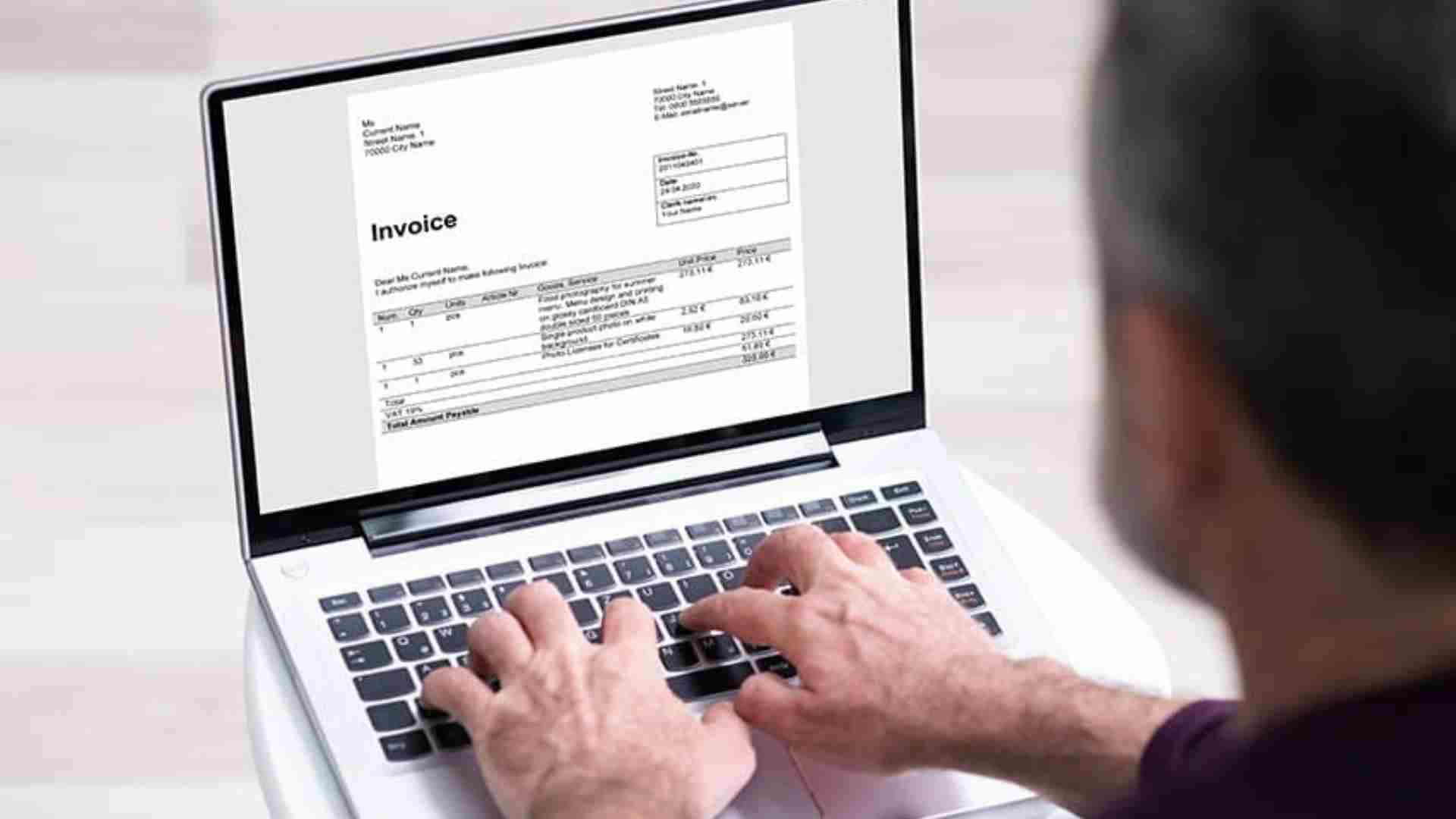
Invoicing can be as simple or complex as you want it to be. A good invoice includes your name or business, contact info, invoice #, invoice date, client Name, project detail, amount owing, tax info, payment terms and method. Keep the layout of the invoice as simple and easy to read as possible.
When you send an invoice that appears professional to your client, not only does it create a great impression for the client, but it also establishes confidence in you as a freelance business owner. Clients are more likely to give priority to you when you send them an invoice that looks like you take your freelance business seriously.
4. Break Down the Services Clearly Many freelance professionals send invoices that have vague headings; for example, freelancers might use "graphics" as a title for an invoice
If possible, list the service(s) you provided on your invoices in the form of line items and/or provide as much detail about each line item as you can. For example, instead of billing for "writing", you could bill for "3 blog posts written", "complete sets of social media posts for each month", or "edited 5 videos (reels) which are included in the reels pricing tier".
Being clear and concise about your service increases the likelihood of an expedited payment because it reduces the number of correspondence exchanges between you and the client needed to gain consent to complete the payment process.
5. Request Partial Advance Payment for Bigger Projects Getting paid up front for large projects can be risky. Because of this, you should consider getting paid in stages or with advances, along with your final payment.
Freelancers often get 30-50% of their payment up front to provide two important advantages to them: protection of both their work and time, and improved cash flow through to the end of the project.
Most serious clients understand that it is safer for the freelancer to have at least partial payments made as they complete portions of work, rather than waiting until the project is complete to get paid.
When structured correctly, clear milestone payments can be a very effective way to provide a sense of professionalism and organisation to your client.
6. Offer Multiple Payment Options There are instances where clients don't make timely payments due to unwillingness, and instances where it was not possible to pay on time because the method of receiving payment was inconvenient for the client. When companies offer only one way to receive a payment, and this method is not easily accessible or usable by the client, payments can be delayed for no reason.
When sending invoices, make it a point to provide clear payment options so there is no confusion. Your invoice should clearly list your bank account number, your UPI ID
Friction causes delays in getting paid, while providing your clients with an easier way to pay is going to help you get paid sooner.
7. Follow Up Without Hesitation Many freelancers feel uncertain about sending payment reminders. There are fears that a payment reminder may come across as rude or desperate; however, reminders are simply part of the business landscape. Clients who are professionals also recognise that sending reminders for payments is a normal part of the process for all parties involved.
If you are making contact because a payment is overdue, your contact should be short, respectful and direct. State the invoice, amount due and due date. Ask if there are any updates concerning payment. Quite frequently, an overdue invoice will simply require a reminder.
A key point is to ensure that you do not wait too long before following up. When you do not reach out within a few weeks of your last contact, there is a chance that the invoice will be forgotten about or de-prioritised by the client. When you reach out promptly and on time, you leave the impression that you are well organised and take your commitments seriously.
8. Keep a Proper Invoice Tracking System Managing multiple clients can make it very difficult to remember who has paid and who has not, what invoices are overdue, etc. As a result, each freelancer needs to set up a simple invoice tracking system.
This does not have to be a detailed and involved system. Simply put, you need a method for keeping track of when an invoice was sent, when it is due, whether you have received payment, and which clients require follow-up. Once you have established your tracking system, you no longer have to rely on your memory, but treat your payments as if you were a business owner.
In addition to keeping track of payments, your invoice tracking system will allow you to identify trends. For example, you might discover that some clients pay on time while others must receive reminders each month. Such information will allow you to make the best decision in the future based on your invoicing experiences with your clients.
9. Set Expectations Before the Project Begins Before starting any project, you must clarify payment terms with clients in order to avoid any kind of misinterpretation or misunderstanding concerning payment. After a project is finished, do not wait until you have been paid for your work before you explain to your client how to invoice them for your work.
You should clearly state all of your terms of sale, fees and payment schedule, as well as any temporal requirements for revisions and/or payment before starting any project. Setting out these terms clearly from day one will minimise the possibility of a surprise at the end of the contract. Failure to set clear terms of sale, fees, and payment schedule may create problems if there is any issue of late invoice delivery or non-payment.
In my experience, contractors who communicate expectations of the project clearly and up front have fewer invoicing issues than contractors who do not communicate at all or in any manner before the start of the project.
10. Treat Freelancing Like a Business, Not a Casual Side Activity Arguably, the most critical piece of advice is that clients look to see how serious you are, and then will reflect the level of seriousness you show them. If you take a casual approach to your processes, and send invoices late, as well as having unclear communication with your clients, then most clients will not make your invoice a priority for payment. On the other hand, if you have a structured, professional and business-like work ethic, clients are more likely to adhere to your timelines.
To demonstrate your structured, professional approach to your clients, you need to send professional invoices, keep records of client transactions, use invoice numbering, provide terms of payment, and be confident in your communication. Freelancing is generally viewed as creative and free-flowing, but the financial side of freelancing must be controlled.
The sooner you develop that control, the sooner you are typically paid.
Final Thoughts Faster payments don’t just come from getting better clients; they come from creating a solid invoicing system. Freelancers who send invoices quickly, provide clearly stated payment terms, follow up promptly, and maintain a good filing system for their bookkeeping reduce the chance of experiencing delays in receiving payments and increase their chances of having positive cash flow.
The primary objective is to create a simple process that makes it easy for your client to understand the invoice, to approve it, and to pay it, without any unnecessary barriers. Once you have established that process, you will be able to spend less time chasing down payments and will be able to devote more time to performing the actual work that generates your income.
If you want to have a more organised invoicing process, tools such as Swipe
FAQs How can freelancers get paid faster? If you want to get your payments on time as a freelancer, there are some steps you can take. First, create your invoice as soon as possible. Then establish clear expectations regarding payment terms, follow through with follow-ups promptly and make it easy for your client to pay you.
What should a freelance invoice include? Your invoice needs to contain your information, your client's information, and Invoice No.; Invoice Date; Due Date; Description of Work Performed; Amount To Be Paid; How To Pay You.
Is it okay to ask for an advance payment as a freelancer? As a rule of thumb, when working on larger projects or when your project is longer than normal, you'll most likely ask for some type of Advance Payment. This gives you some protection against loss for all of the time invested in your project and aids in your cash flow.
How many days should freelancers give for payment? While it can vary from project/client to project/client, the most common terms that freelancers use are 7 days, 15 days or 30 days based on prior agreements with their clients.
Should freelancers send payment reminders? It is typical to send a payment reminder after the payment due date. This simple, polite reminder will help facilitate the payment process and help you get your payments sooner than you might have otherwise received them.
.png)
-compressed.jpg)
.jpg)


.png)
.png)
.png)
.png)