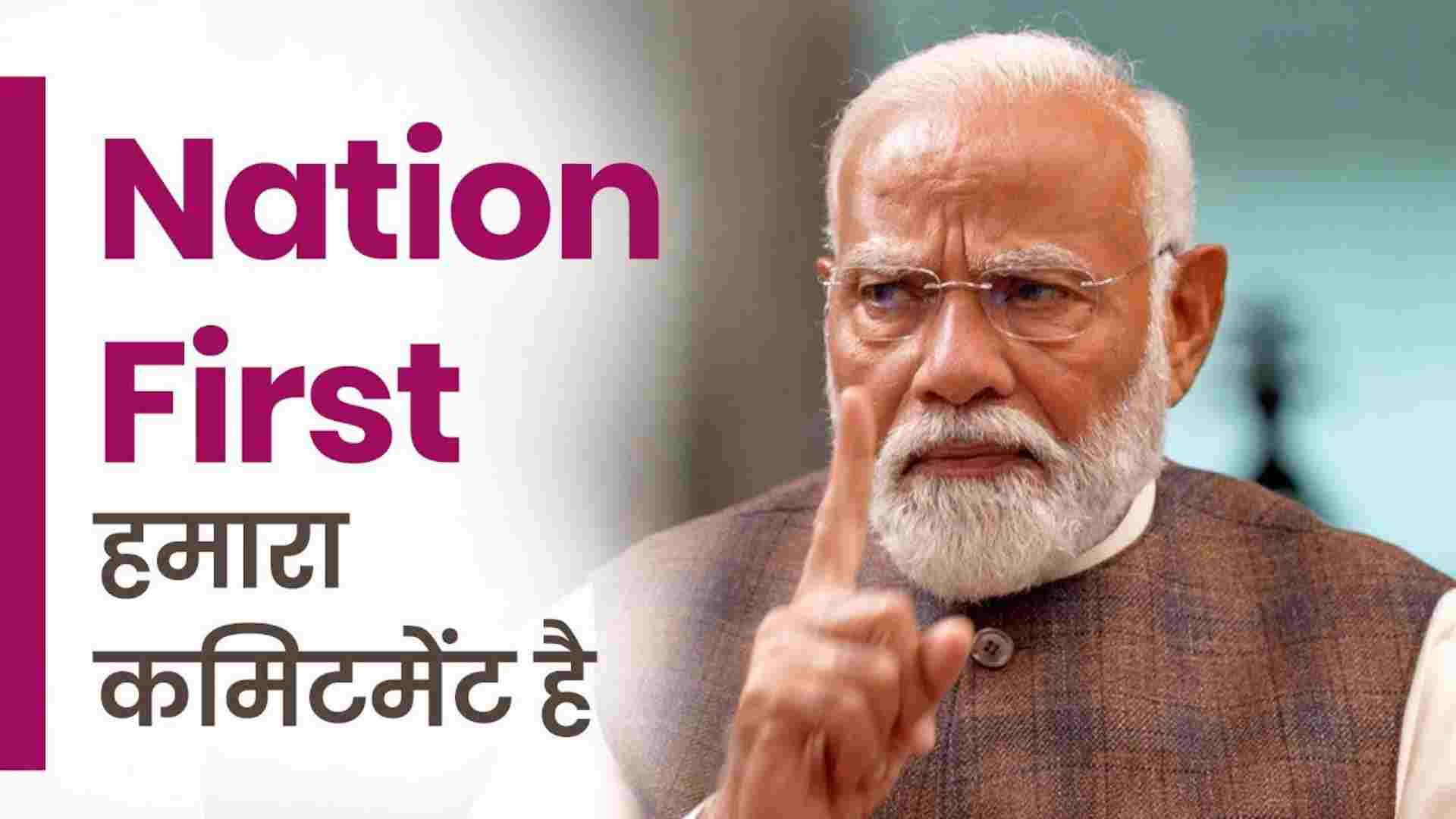
PM Modi's seven appeals for economic self-reliance Introduction The main focus of PM Modi's seven viral appeals, based on the now-familiar "Nation First" message, is ultimately one simple concept: every citizen can do their part for this country by making simple daily decisions. The appeal includes working from home, decreasing the number of litres of petrol or diesel consumed, not purchasing gold, decreasing the amount of cooking oil used, buying Swadeshi products, promoting natural farming, and refraining from foreign travel for one full year.
While the above-listed areas may seem like general tips to enhance your lifestyle, if crores of people (10 million) were to all follow even a few small steps in these categories, the result would have an enormous effect on the economy of this country. The ideas contained in the appeal all centre around the goal of decreasing the volume of unnecessary imports into India, saving foreign exchange, enhancing support for Indian businesses, and creating a more self-reliant India.
What are PM Modi’s 7 appeals? The Nation First Call has seven main suggestions for Indian citizens. These suggestions are not legally enforceable or mandatory restrictions but rather public calls to action for people to make responsible choices with their daily actions.
Seven calls to action include:
1. Work from home whenever possible.
2. Do not purchase gold for 1 year.
3. Use as little gasoline/diesel as possible, by using the metro and public transport.
4. Use less cooking oil.
5. Reduce the use of chemical fertilisers and move towards organic farming.
6. Reduce the purchase of foreign-branded products and buy local (Swadeshi).
7. Avoid travelling outside India for one year.
The overall purpose of these calls to action is to reduce unnecessary spending on imported goods and services. Simply stated, the message is that citizens should consider the country when making decisions about what to buy and how much they will spend on it each day.
Why is the nation's first message important? The concept of Nation First is important because India spends a large amount of money on imported products such as crude oil, gold, edible oils, fertilisers, and other foreign goods. When imports increase, the outflow of foreign currency from the country also increases.
As a result, rising imports can put pressure on the economy, especially during times of global uncertainty, higher crude oil prices, international disputes, and supply chain problems. This is why reducing unnecessary consumption becomes important.
The idea is very simple. If citizens reduce avoidable imports and support Indian alternatives, India can save money, support local businesses, and become more self-reliant.
Why work from home help India? The call to work from home, where feasible, has a direct relationship to fuel savings. If someone is travelling less, then their consumption of petrol and diesel naturally decreases.
Several benefits can come from this, such as a decrease in the number of vehicles on the road or a decrease in pollution; saving the time that it would take to travel, and ultimately saving on fuel expenses for the average working person. On a national scale, it can relieve some of the pressure on crude oil imports.
For example, if an individual is working from home 2 days out of the week, they save on gas, don't have to make the unnecessary drive to work, and contribute less to traffic congestion. Imagine if all work locations and companies participated in this practice; the cumulative effect would be exponential.
While there are some jobs that cannot be performed from home, to the extent that it is able to be implemented, it is a positive action for the citizens and the country.
Why avoid buying gold for one year? Gold holds great sentimental value for people in India, with associations made through the power of tradition: right through to family support, festival celebrations, and as a long-term way to save money.
Although much of this emotional attachment to gold exists in connection with the customs of the country, the desire of people to purchase gold
Therefore, if the demand for gold decreases due to people not buying unnecessary gold for one year, India will be able to reduce the amount of foreign money that leaves its borders as gold imports. This, in turn, creates less pressure to import gold into India.
In essence, by not purchasing gold items for one year, individuals will reduce India's foreign exchange requirements. By making such a minor sacrifice, Indian citizens can show their support for their country during these economically sensitive times.
Why does reducing petrol and diesel consumption matter? Reducing the use of petrol and diesel
There are small changes everyone can make in their daily lives to help conserve fuel. Metro and bus use, sharing rides and walking for short distances all contribute to reducing fuel consumption.
This does not mean that people should completely stop driving cars; however, they should avoid using cars unnecessarily.
For instance, when going to the market, rather than using their car, people could either walk or use a two-wheeler. Those who work in an office could carpool with other employees and take the metro to work as often as possible. All such simple changes can help save money on fuel while also helping the nation as a whole.
Why is cutting down on cooking oil use important? There are two main reasons for the appeal to reduce the amount of oil used in cooking: the first is the economy, and the second is to promote better health.
As India imports a fair amount of cooking oil from other countries, as the demand for oil increases, so does our reliance on outside sources to obtain it. If consumers can minimise their use of cooking oil in their everyday meals and, in particular, in the preparation of sabzi, fried snacks, and so forth, the consumer will be helping to alleviate some of the strain on India's economy.
Secondly, if people limit their use of cooking oil, they will also improve their health. Many families in India use more than their fair share of cooking oil when preparing their meals. By using less oil, they will be able to eat healthier and create a healthier diet for themselves and their family.
This appeal is not asking the public to totally stop cooking oil from being used, but rather, to not overuse it.
Why is natural farming being encouraged? Reducing our dependence on chemical fertilisers and moving towards sustainable or natural farming has been linked to agriculture as a whole, healthy soils, and better incomes for farmers.
While chemical fertilisers can increase crop production, excessive use of these products can have negative long-term impacts on soil quality. Such use of chemical products can also increase input costs for farmers, forcing them to rely on products from outside of their regions.
Natural farming, as defined by FAO
It will take time until all farmers are able to implement natural farming techniques all over the country. The factors that determine which crops, soil types, water availability, and regional conditions impact the ability to implement natural farming practices in every part of India. Yet, it is clear that there must be changes to current agricultural practices in order for India to adopt more sustainable agricultural systems that place less reliance on high-cost chemical inputs.
Why swadeshi products matter? Using fewer foreign-branded goods and obtaining Swadeshi products is related to India's self-reliance.
Swadeshi does not imply automatically refusing any foreign goods offered here; it simply means selecting Indian goods where good alternatives exist.
When someone purchases an Indian item, they generate economic activity in India by supporting Indian manufacturers, MSME companies
For instance, if an Indian item has good quality for a fair price, choosing it instead of a foreign, well-known brand also implies supporting local manufacturing. Therefore, while being patriotic, this also represents good business sense.
Why avoid foreign travel for a year? The call for a one-year temporary halt to outbound travel has a strong relationship with reducing the amount of money that is sent out of the country through purchasing goods and services in countries outside of India when you travel.
Many people choose to explore all of the wonderful places that India has to offer instead of travelling to other countries. There are mountains, beaches, forests, deserts, historical cities, religious sites, places to participate in adventures, and luxury resorts in India.
By choosing to travel within India, you will be supporting many different people who work in the tourism industry, such as hotel employees, tour guides, taxi drivers, restaurant employees, and many other types of small businesses that depend on tourism to help sustain their livelihoods.
The intent of the temporary cessation of outbound travel is not to deter you from travelling outside of India. It is simply a means of deferring travel to foreign destinations until such time as the national government has stabilised its foreign currency supply.
What is the main purpose of PM Modi’s 7 appeals? In order to make India more self-reliant, PM Modi's seven appeals encourage Indians to minimise their unnecessary imports, conserve fuel, promote the consumption of Indian-made goods, and reduce the outflow of foreign currency.
This message focuses on encouraging all citizens to become engaged. Economic strength can also be built upon the foundations of public discipline, individual responsibility, and responsible consumption; it exists beyond the influence of government policy.
When citizens conserve fuel, purchase Indian-produced goods, and decrease their use of imported goods & services, thus strengthening India's economy internally.
Key Takeaways The concept behind the Nation First campaign is simple: everyday citizens have the power to make a big impact on their country by making small daily decisions with their choices.
Making decisions that include working from home, reducing the use of gasoline, not buying gold, reducing the use of cooking oil, supporting natural farming, buying Swadeshi goods, and not travelling unnecessarily are all simple habits that many people can practice, but when practised by millions of people collectively, they create a tremendous impact.
The underlying message is not about inducing fear; it is about acknowledging your responsibilities. The underlying message is not about ending life, but rather living a smarter life while always keeping the Nation First.
Conclusion The PM Modi 7 appeals under the Nation First message encourage people to remember that national power comes not only from big statements, but from the things we do on a day-to-day basis.
Anytime a person invests in fuel, buys Indian items, doesn’t buy excessive foreign products, flies within Indian borders & reduces wasteful consumption, they are supporting that country economically.
FAQs What are PM Modi’s 7 appeals? PM Modi’s seven appeals include working from home wherever possible, avoiding gold purchases for one year, reducing petrol and diesel use, using less cooking oil, moving towards natural farming, buying Swadeshi products, and avoiding foreign travel for one year.
Why did PM Modi ask people to avoid buying gold? Avoiding gold purchases reduces the import pressure and saves foreign currency. Purchasing gold is a major import for India.
How can working from home help the Indian economy? Working from home reduces the need for daily commuting; therefore decreasing the consumption of petrol & diesel, traffic congestion, and pollution. If less fuel is used nationally, then this will decrease the amount of crude oil America has to import and the need for U.S. Dollars.
Why is Swadeshi important in the Nation First message? Swadeshi supports Indian manufacturers and creates jobs for micro, small, and medium-sized enterprises and local businesses. When people buy Indian-made products, money stays within the country and circulates back into the domestic economy.
Is avoiding foreign travel compulsory? No, such an appeal does not become a law or a ban. It is only a voluntary suggestion for citizens to reduce unnecessary purchases and help control the outflow of foreign currency.
.png)
-compressed.jpg)
.jpg)


.png)
.png)
.png)
.png)