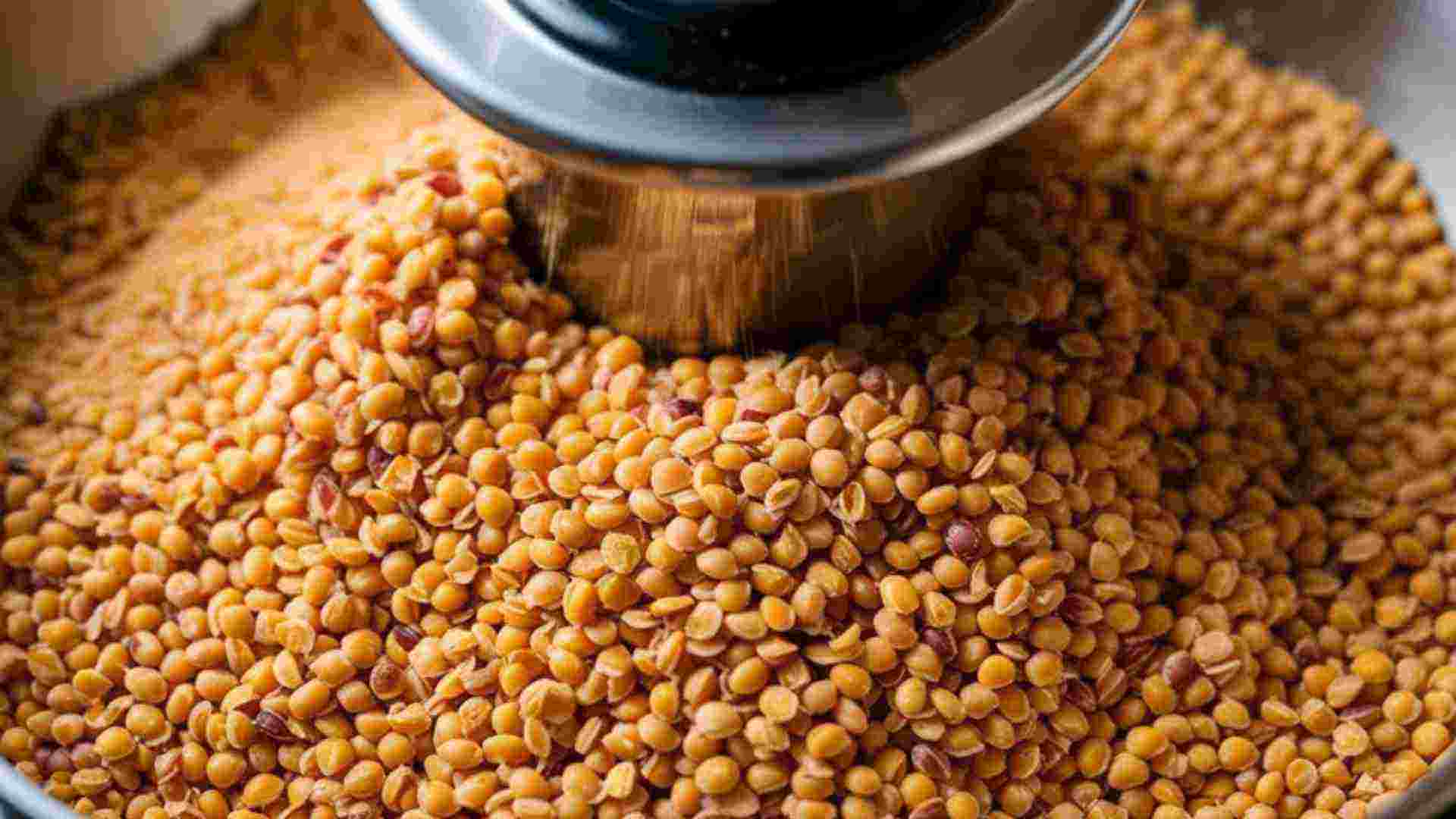
Tax Implications on By-products of Dal/Pulses Milling Dal milling isn’t just about splitting pulses. It also gives us useful leftovers like husk, bran, broken grains, and fine powder. These by-products often go into cattle feed , fuel, or even food items—but their story doesn’t end there. Understanding their tax implications under GST becomes important for mill owners, traders, and small processors. Many are unaware that even the by-products of dal/pulse milling may fall under specific tax slabs or exemptions, depending on their use and classification. In this blog, we’ll break down this topic in simple terms so that even small millers and business owners can stay tax-compliant and make informed decisions. Common By-Products in Dal Milling: Are They Taxable? Husk 1. Husk is the outer layer of the pulse, separated during milling.
2. Use: Commonly used as cattle feed or fuel.
3. Tax Implication: Often exempted under GST if sold for agricultural or animal use. But classification matters—if it's sold for industrial use, it may attract GST.
Bran 1. Bran is the fine layer that comes off along with husk and powder.
2. Use: Used in animal feed or as a by-product in food processing.
3. Tax Implication: Generally exempt when clearly sold as cattle feed. If not specified properly, it may fall under 5% GST.
Broken Grains 1. These are the pieces of dal that break during the milling process.
2. Use: Often sold at a lower price or mixed with whole dal.
3. Tax Implication: Broken pulses are exempt from GST just like whole pulses, as long as they are unbranded or not pre-packaged.
Pulse Powder 1. A fine powder generated during processing.
2. Use: Used in making flour or snacks.
3. Tax Implication: May attract 5% GST if considered as a processed food product. Exemption may apply if it's clearly labeled as a by-product for cattle feed or agricultural use.
GST on Dal Milling By-Products: What Does the Law Say? GST Law Covers Both Main Products and By-Products 1. Under GST, not only dal (main product) but also by-products like husk, bran, and broken grains come under the tax lens.
2. Their taxability depends on usage, packaging, branding, and classification.
HSN Codes Define the Category 1. Each product is given an HSN (Harmonized System of Nomenclature) code.
2. Example:
a. Husk used as cattle feed: HSN 2302 – usually exempt.
b. Pulse powder or processed items: HSN 1106 or similar – may attract 5% GST.
c. Branded or packaged items may come under higher slabs.
Exemptions for Agricultural Use By-products like husk, bran, and powder are exempt from GST when sold:
1. As cattle feed
2. In loose (non-packaged) form
3. Without a brand name
Branded or Pre-Packaged Goods May Attract GST 1. If by-products are sold under a brand name or in pre-packaged units, GST usually applies.
2. Most such items fall under 5% GST, but it depends on their classification.
Exemptions and Ambiguities: What Mill Owners Should Know By-Product Possible Use GST Status Exemptions(if any) Ambiguities/Confusion Husk Cattle feed, fuel Mostly exempt under HSN 2302 Exempt when used as cattle feed or agricultural waste May attract GST if sold for non-agricultural industrial use Bran Animal feed, food processing Generally Exempt Exempt sold in loose and unbranded form Confusion if used in processed foods or not clearly labeled Broken grains Food consumption Exempt, like whole dal Considered agricultural produce None, unless branded or pre-packed Pulse powder Flour, snacks, animal feed 5% GST ( in some cases) It may be exempt if sold as animal feed or agri-waste Confusion about whether it’s a by-product or processed item Unusable Waste Biofuel compost Usually exempt Exempt under waste or agri category Needs proper documentation to avoid misclassification
You Can Also Read: GST Rate & HSN Code 8437 for Grain Machine
Case Studies or Recent Rulings on Taxing By-Products Example 1: Husk Sold as Cattle Feed — Exempt from GST Scenario: A dal mill in Madhya Pradesh sold large quantities of husk to a nearby dairy farm for cattle feed.
What Happened:
Ruling/Clarification: The tax officer accepted the exemption because the buyer was a dairy farm, the invoice clearly mentioned “husk for animal feed,” and the HSN code 2302 was used.
Takeaway: Proper documentation and clear mention of purpose helped the miller avoid GST and stay compliant.
Selling or Reusing By-Products: Tax Planning Strategies Classify by-products clearly 1. Use correct HSN codes for each by-product (e.g., husk – 2302).
2. Mention purpose (animal feed, waste, industrial use) on invoices.
Prefer unbranded and loose packaging 1. GST is exempt on many items if sold unbranded and unpackaged (like broken pulses or husk).
2. Avoid unnecessary branding or fancy packaging for such items.
Maintain buyer’s usage proof (if possible) 1. If by-products are sold for animal feed or agriculture, keep a basic record of how the buyer will use them.
2. This helps in the case of GST scrutiny.
Separate books for main products & by-products 1. Maintain separate sales records for dal and by-products.
2. This avoids confusion in GST filing and helps you claim valid exemptions.
Consult your CA for composite vs. mixed supply 1. If you sell dal with by-products in one bill, it may be considered a composite supply—affecting the tax rate.
2. Get help in billing them separately.
Utilize by-products within the mill (if possible) Using husk as fuel for the boiler or broken grains for animal feed inside your setup avoids GST altogether, as there is no outward sale.
Regularly update with GST notifications GST exemptions can change. Stay updated through CBIC notifications or your accountant.
Challenges Faced by the Industry and Suggestions for Reform Confusion in GST Classification Lack of clarity on whether a by-product is a waste, feed, or processed item often leads to wrong tax application.
Inconsistent Interpretations Different GST officers interpret the same product differently, causing disputes and notices.
Small Millers Lack Tax Knowledge Many small-scale mill owners are unaware of HSN codes and exemptions, leading to unintentional errors.
Suggestions for Reform Clear and Unified Guidelines The government should release a dedicated circular listing all dal milling by-products with HSN codes and tax status.
Simplify GST Compliance for Small Units Introduce easier filing systems or presumptive tax schemes for small dal mills.
Awareness Programs Conduct workshops or online training for mill owners to educate them on GST classification and billing.
Want to bill your by-product sales easily? Learn how to create GST-compliant invoices using the Swipe app
Conclusion For many dal mill owners, by-products may seem like waste, but they come with their own rules under GST. A little attention to packaging, purpose of sale, and correct HSN codes can make a big difference. Instead of landing into tax troubles later, it’s better to keep things sorted from the start. With a bit of awareness and smart planning, even small millers can save money and run their businesses smoothly.
FAQs 1. Is GST charged on dal husk? No, if it's sold for cattle feed or agricultural use.
2. Do broken pulses attract GST? Usually no, if unbranded and not pre-packaged.
3. Can I sell by-products without GST registration? Only if your turnover is below the GST threshold.
4. What if I mix dal and husk in one bill? It may be treated as a composite supply—consult your CA.
5. Which HSN code applies to cattle feed? Mostly 2302, but double-check based on exact product use.
.png)
-compressed.jpg)
.jpg)


.png)
.png)
.png)
.png)