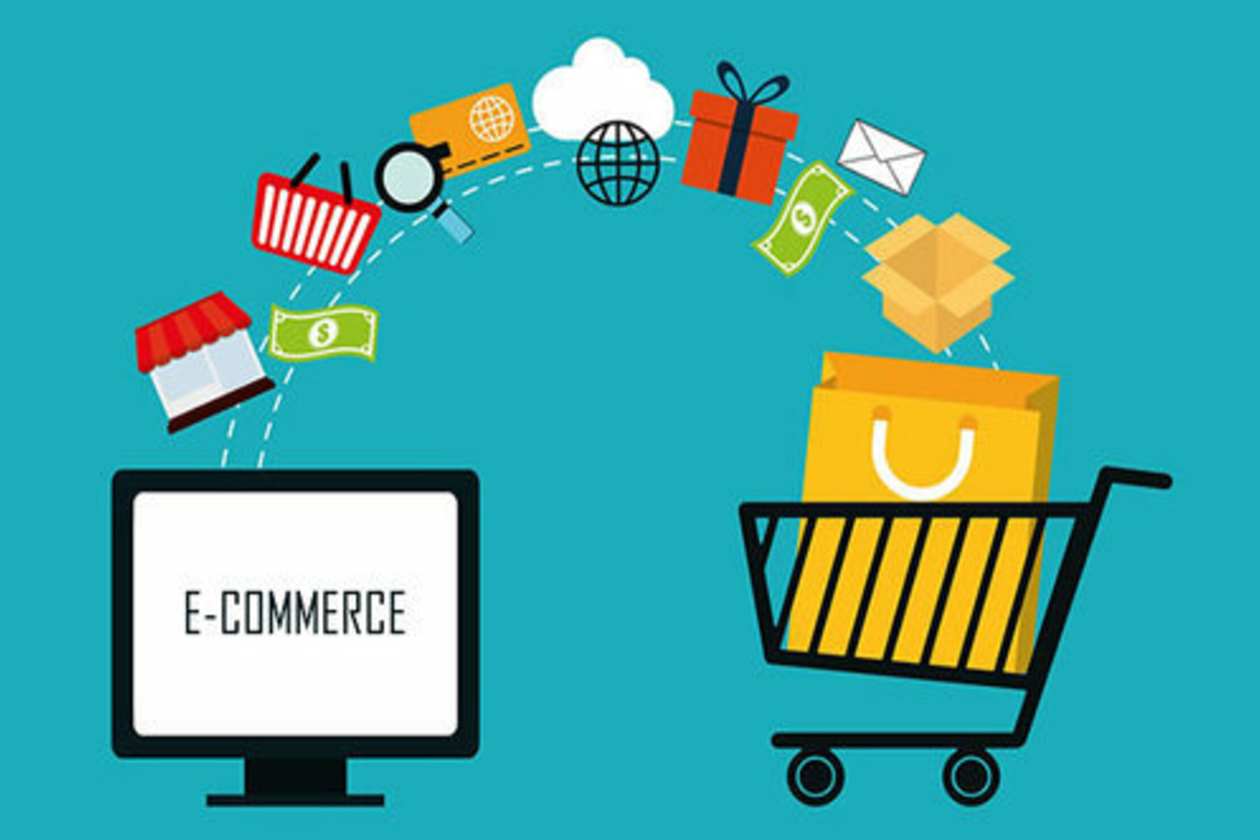
Types of GST Applicable on E-Commerce Sales in India The extraordinary e-commerce growth in India has created a whole new set of tax compliance obligations in the context of the Goods and Services Tax (GST) system. Being aware of the way GST is imposed on electronic sales is the most important thing for the entities to remain not only compliant, but also efficient. The guide is on the GST in e-commerce businesses, the kind of GST, tax compliance requirements, different tax collection mechanisms, and the main problems that online sellers usually face. Understanding GST in E-Commerce GST is the tax of the destination of goods and services in the country of the customers. The GST in electronic trade is defined by the businesses, which do not have, as a result, the same GST rules that apply to traditional companies, and, therefore, they are concerned with the collection of taxes, the filing of returns, and the registration process.
Major Chapters of the GST for E-Commerce Businesses GST tax on the sale online of goods and services
Taxes Collected at Source (TCS) by market operators
Reverse Charge Mechanism (RCM) for specific transactions
Input Tax Credit (ITC) on expenses related to business
GST compliance, return filing, and penalties for non-compliance
1. GST on Goods Sold via E-Commerce Platforms Goods sellers who are operating the e-commerce like Amazon, Flipkart, and Myntra have to levy GST on the sale of goods. The GST to be charged would also depend on the product category:
Product Category GST Rate Essential goods (packaged food) 5% Footwear and textiles 12% Consumer electronics 18% Luxury goods 28%
ple, if a merchant on an online platform like Amazon, Flipkart, Snapdeal, Myntra sells a mobile phone at the rate of ₹10,000, the 18% GST will become applicable, hence the total selling price would be ₹11,800.
2. GST on Services Provided via E-Commerce Online platforms that are used for the provision of digital services such as ride-hailing, hotel bookings, and online streaming are subject to the goods and services tax (GST) as per the type of service they offer:
Service Type GST Rate Transportation (cab aggregators) 5% Digital services (software, consulting) 18% Online gaming & entertainment 28%
For instance, a graphic designer who works as a freelancer through an e-commerce platform should invoice the clients with an 18% GST charge.
3. Tax Collected at Source (TCS) for E-Commerce Platforms In the CGST Act, e-commerce companies have to collect 1% TCS (0.5% CGST + 0.5% SGST or 1% IGST) from their net taxable sales. This is the undisputed fact and the rule that e-commerce businesses should have.
Who Does the TCS belong to?
Marketplaces like Amazon, Flipkart, Swiggy, Zomato, etc. act as collection agents of TCS from their suppliers.
The TCS amount to be recovered is done prior to the payment to the sellers.
Vendors are eligible to receive a refund of this TCS in the form of Input Tax Credit (ITC) while submitting GST returns.
4. Reverse Charge Mechanism (RCM) in E-Commerce The connotation of Reverse Charge Mechanism (RCM) is a situation where the duty of paying GST no longer rests with the vendor but shifts to the buyer who is now compelled to pay the Levy, in specific
situations, of course.
Instances When RCM is in Force:
Start-ups within the realm of e-commerce that are obtaining services from unregistered suppliers.
The government has specified that some goods and services will attract RCM.
For example, if an online entrepreneur were to enter into an agreement with an unregistered individual to act as a delivery partner, the liability under RCM would fall on the e-commerce platform who is allowed to claim ITC later on.
5. GST Registration & Compliance for E-Commerce Businesses All e-commerce businesses, big or small, irrespective of the amount of their business, must get registered under GST. The compliance essentials are:
GST registration (mandatory for all sellers and marketplaces).
Periodical GST return filing (GSTR-1, GSTR-3B, GSTR-8).
Smooth classification of goods and services under GST slabs.
Ensuring accuracy in the record-keeping of all transactions.
Non-compliance Penalties: Failure to adhere to the compliance standards leads to the penalization associated with paying late fines and the imposition of interest charges.
A repetitive habit of not conforming with the rules of compliance might turn out to be more severe than at the beginning, with the business losing its chances to operate any more, or its GSTIN getting freezed.
6. Input Tax Credit (ITC) for E-Commerce Sellers Input Tax Credit (ITC) from the GST amount subject to taxes on your business purchases is the way e-commerce sellers can lower their GST result.
Expense Type ITC Eligibility Raw material purchases Yes Packaging & logistics Yes Marketing & advertising Yes Software & digital tools Yes
ITC note : The option of using ITC is confined to the goods and services that are actually used in the course of business. ITC should not be claimed for any goods or services that are exempted from tax or for personal use.
7. GST Return Filing for E-Commerce Businesses A good number of GST returns, in fact, have to be filed by e-commerce companies:
The returns are:
GSTR-1: Monthly statement of details of outward supplies;
GSTR-3B: Summary of tax liability;
GSTR-8: TCS return filed by marketplace operators.
Not only can the automated GST return filing tools keep errors away by ensuring an on-time submission, but they can also spare you a lot of time.
Challenges in GST Compliance for E-Commerce Businesses 1. Multiple GST Rates: Different product-based and service-based GST rates make up the problem.
2. High Compliance Burden: Every seller has to file multiple returns and keep records for the purpose of maintaining compliance.
3. Frequent Policy Changes: GST rules are altered and tax rates are updated from time to time.
4. Complex TCS System: Sellers are supposed to monitor TCS amounts due and claim ITC.
5. Handling IGST for Exports : Preparing export paperwork and refunds VAT can be a real puzzle.
Competent tips to get goods and service tax (GST) compliance without any hassle: Use GST automated tools to prevent errors in compliance.
Keep track of all GST notifications and amendments.
Keep detailed records of all transactions for the audits.
Ask GST professionals for the application of tax-saving strategies and product classification.
Educate your financial staff on GST rules to avoid fines.
More Thoughts on E-commerce Businesses The advent of GST has made tax compliance easier and simpler, but it has also led to e-commerce businesses going through more complex issues. Though it is continuing to grow, the market still demands that sellers be well versed with the latest tax regulations, automation solutions, and good compliance practices . Moreover, firms should guarantee the correctness of invoices, exactness of data records, and the timely filing of tax returns and GST reconciliations to prevent misrepresentations and penalties. Engaging professionals in advisory services or hiring that are dedicated to tax can make the process easier for e-commerce businesses and keep them more easily adaptable to the changing tax policies at the same time.
Conclusion E-commerce businesses are required to be GST compliant so as to avoid any legal or financial penalties. It helps businesses stay compliant and operational by understanding the tax collection mechanism, TCS deduction, ITC claims, and return filing. Businesses could streamline their tax obligations by using the automated tools and keeping abreast of GST updates which would allow them to focus on their growth.
Moreover, tax compliance is a means of ensuring an uninterrupted operational experience and a trustful environment between the business and customers and regulatory authorities. Auditing the tax filings, the regular use of efficient GST software, and asking for professional advice when required are the things e-commerce businesses need to do. The interaction among these developments and the way they automate the tax process can help sellers to avoid risks and work on expanding their business.
Find the details of GST compliance by visiting Swipe blog .
FAQs 1. Is it a mandatory affair for the e-commerce sellers to be registered under GST in India? Yes, no matter what the turnover, all the e-commerce sellers need to get themself registered under GST.
2. How do I find out the amount of GST on a specific E-commerce transaction? Methods for determining the amount of GST include the category of the product, the buyer's location, and the seller's GST registration status.
3. Can the ITC be claimed by the e-commerce vendors? ITC can be claimed by the sellers in the sense that the GST paid for expenses like advertising, packaging, and logistics is recoverable.
4. What are the consequences for an e-commerce seller who fails to submit GST even after registering himself/herself? When returns aren't filed, penalties and interest are imposed in addition to the registration being potentially suspended.
5. What is the effect of GST on international e-commerce sales? While talking about export, IGST is leviable and businesses must carry out export documentation.
.png)
-compressed.jpg)
.jpg)


.png)
.png)
.png)
.png)