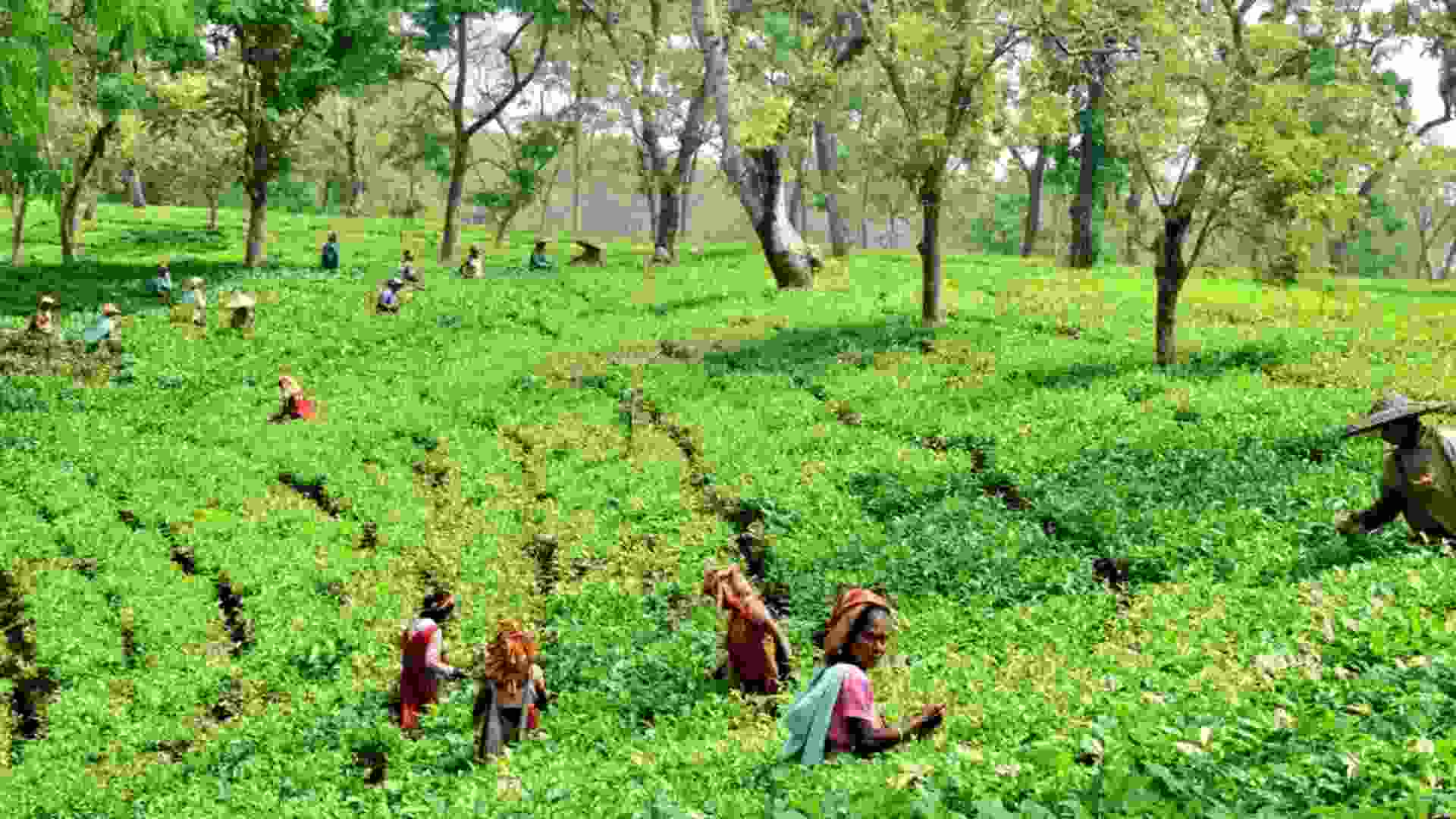
Union Budget 2026–27: A Transformative Leap for Indian Agriculture The Union Budget 2026–27 fiscal year was introduced by Finance Minister Nirmala Sitharaman with an increased emphasis on agriculture The Union Budget 2026–27 will improve farm productivity by increasing investment in agricultural research, enhancing innovation, creating new domestic and export markets, and developing value addition for all aspects of the agricultural supply chain. With the increased support of modern agricultural practices and multiple opportunities for additional income, the Union Budget for 2026–27 creates an environment where agriculture plays a central role in both the state and business world, but also through its importance as an industry providing ongoing economic resilience and sustainable rural wealth.
A Strong Commitment to Agricultural Growth The Budget makes a significant commitment to agriculture and its related activities, further reinforcing the ongoing policy commitment to enhance rural infrastructure, increase the productivity of farmers, and provide income security to farmers.
The focus of this funding is not just on crops, but also includes funding for fisheries, livestock, dairy and other related industries, as all these are the foundation of the rural Indian economy
This strategy indicates that a farmer's income should not be dependent simply upon conventional crops, but will require new/alternative sources of income as well as modern means to provide support for farmers.
Bharat Vistar: Bringing AI to the Farm Gate A key aspect of the Budget is developing a new digital system that has been created to be called Bharat Vistar, a multi-language AI-based digital system, allowing access to Agri-Tech knowledge across India for all farmers.
Bharat Vistar will consolidate different Government Agri-Tech databases, allowing easy access and searches on different Government databases of agricultural science research and real-time applications. This information will be developed for each farmer differently, with the ability to select which crops to plant, which type of fertiliser to use, soil health/salinity, the best times to plant crops based on weather forecasts, pest control, and historical market prices. All the information provided to farmers by the Bharat Vistar system will be available in the farmers' native language.
By reducing the dependency on unofficial and informal networks for providing agricultural advice and using a real-time digital platform to provide timely, accurate and actionable information directly to the farmer, this initiative is intended to empower small and marginal farmers by giving them access to timely, accurate and actionable information regarding their farming activities. This is a huge step towards making the use of agricultural technology accessible to everyone and closing the gap between large and small producers regarding access to information.
Focus on High-Value Crops and Better Returns In addition to this, the Budget’s outline includes programs designed to specifically encourage the production of high-value crops such as coconut, sandalwood, cashew nut, cacao and other types of speciality crops, which will generate higher incomes for farmers as well as greater export opportunities when coupled with appropriate processing, branding, and market access.
The Government also seeks to help farmers move further up the value chain, thus reducing their risk of experiencing financial losses caused by fluctuations in the price of traditional staple foods. Furthermore, the government’s focus on providing financial support for a long-term and stable income stream is consistent with the strategic goal of Regional Cropping Specialisation, so that each of the states can take advantage of their own unique climate and natural advantages.
Strengthening Allied Sectors and Rural Enterprises The budget directs considerable attention to other agricultural areas aside from crops, which means that the government will focus on fisheries, animal husbandry and dairy. Investment in integrated development of water bodies, infrastructure improvements and better connections to the market are expected to provide employment opportunities and increase the income for both urban and rural coastal communities, as well as inland rural areas.
With these additional sources of income, the goal is for rural economies to be more resilient so that families are no longer dependent on only seasonal agriculture as their only source of income.
Encouraging Sustainable and Modern Farming Practices Sustainable development is a consistent theme throughout the agricultural vision outlined in the Budget. The introduction of policies that promote the use of environmentally friendly input materials as well as promote resource use efficiency and identify viable ways to adapt agronomic practices to greater resilience in the face of climate change suggest a continuing change towards agronomic practices that are environmentally responsible.
The government intends to ensure that agricultural growth does not impact negatively on the environment (i.e., soil health, water security and the long-term ecological balance) by linking measures associated with productivity with measures associated with sustainability.
Agriculture in the Vision of Viksit Bharat Within the overarching goals of developing India into a developed nation, these initiatives are designed to help achieve this ambition. Since so many people earn their living from agricultural work, agriculture is critical to creating an economically stable, socially stable and inclusive country.
The Budget acknowledges that providing agriculture-related technology, diversifying the economy and providing farmers with modern infrastructure will provide benefits not only to rural communities but also allow for a strong economic foundation for all of India.
Conclusion The 2026-27 Union Budget signifies an important transition in Indian agricultural policy whereby farmers are viewed as entrepreneurs instead of relying on government assistance (benefits). This evolution stems from the combination of digital innovations, crop diversification, promotion of ancillary agricultural sectors and sustainability initiatives that form the basis for a roadmap for farmers to become entrepreneurs.
With proper implementation, these initiatives can lead to developing Indian agriculture into a sector with greater productivity, increased resilience, and potential to be ready for the future; thereby, playing a key role in achieving a true Viksit Bharat.
FAQs Q1. What is the main focus of the Union Budget 2026–27 for agriculture? Through technology, a more diverse range of crops and sustainable farming practices, the Budget plans to help farmers increase their incomes and enhance the livelihoods of rural-dwelling Indians.
Q2. What is Bharat Vistar announced in the Budget? The Bharat Vistar project is an AI-based, multilingual digital platform that provides personalised support to farmers, in their native languages, on agricultural practices.
Q3. How will Bharat Vistar benefit farmers? Farmers will have access to real-time information about their crops and how to manage them better, how to get the best yield based on the weather, soil type, weeds, and crop disease, and what the market is like for their crops, which will allow them to make better decisions for their farming operations with less risk of failure.
Q4. Which crops are being promoted under the new initiatives? The Budget calls for farmers to grow more high-value crops, such as coconuts, sandalwood, cashews, cocoa, and other speciality agricultural products.
Q5. Does the Budget support allied agricultural sectors? In addition, the Budget recognises the importance of other farming-related sectors, such as fisheries, dairy, livestock and animal husbandry as potential new income-generating opportunities for rural residents.
.png)
-compressed.jpg)
.jpg)


.png)
.png)
.png)
.png)