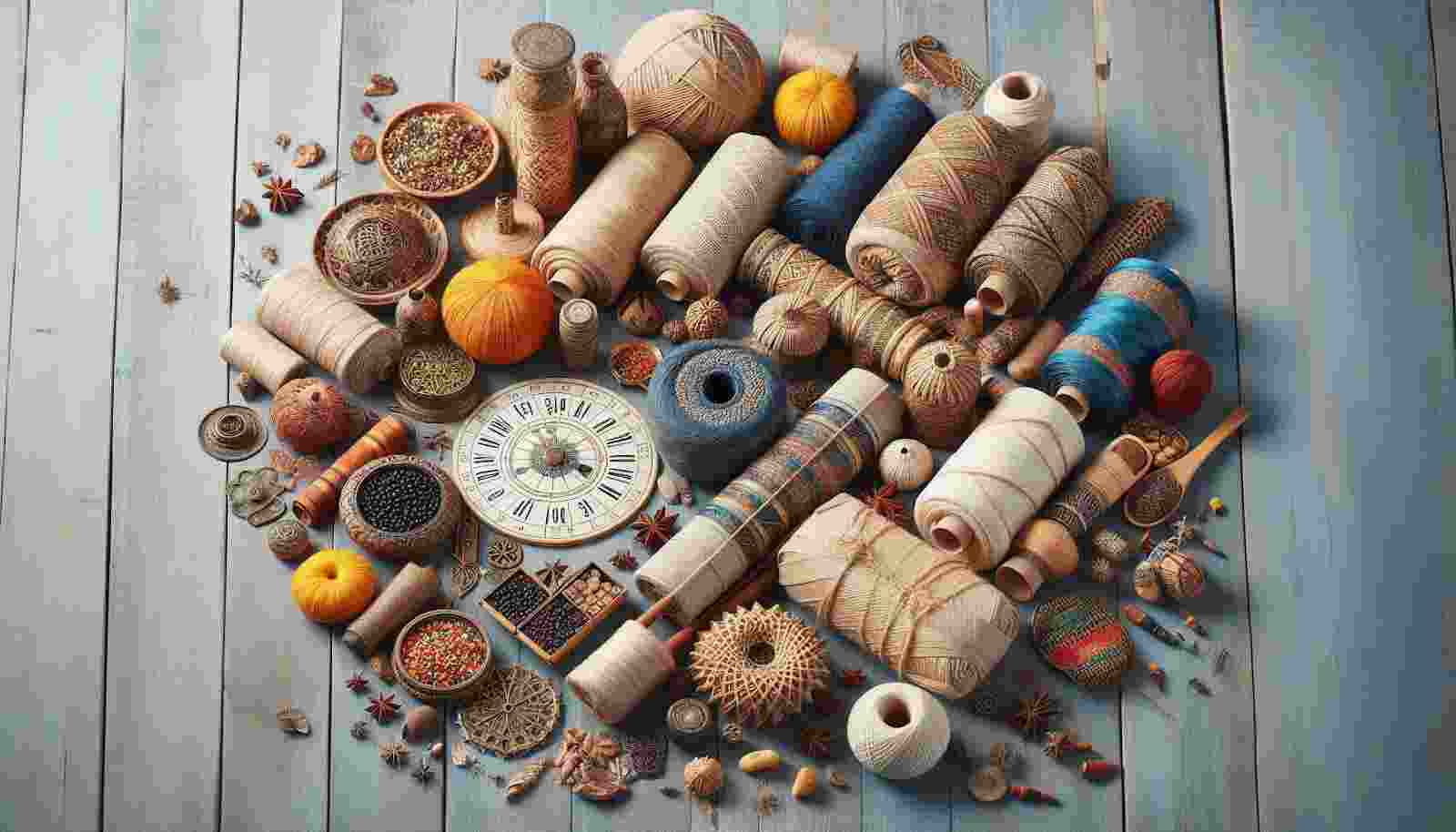
GST rates and HSN code 5310 for Woven Fabrics Of Jute Amongst natural fibres, jute occupies a significant position in India’s extensive textile history. From sustainable shopping bags to native handicrafts, products made from jute, a plant-derived fibre that is also known as hessian cloth (or Hussaincloth in some areas), have become an integral part of our everyday lives. As goods and services tax (GST) came into existence, it has become important to know the effective GST rates on jute products along with the HSN codes for jute products for businessmen, traders and manufacturers.
With this blog, you will learn everything from the Indian market point of view, be educated on the 5310 HSN code, GST rates, and import details about woven fabric jute.
Understanding the HSN Code System HSN can be defined as Harmonized System of Nomenclature. It is a worldwide accepted disciple for classify goods and is adopted in India for simplifying the GST structure. Every product gets a unique code based on the nature of a product and use.
The HSN code for Jute or other textile bast fibers include textile bast fibers like flax, ramie and hemp when woven is classified under chapter 53 of the HSN classification. In this case, the HSN Code is more specific to woven fabrics of jute, which falls under HSN Code 5310.
What Is HSN Code 5310? HSN Code 5310 - Woven fabrics of jute and of other textile bast fibres, excluding flax. Fabric Types Used For Production:
Hessian cloth (or Hussain cloth) Gunny bags Sacking fabrics Canvas and tarpaulin materials So as in a normal way players of jute woven fabrics, you will have to classify under the 5310 HSN code when you are trading in raw or semi-processed jute woven fabrics.
You might also be interested in learning more about GST rates and the HSN code for Other Plastics Materials 3926 .
GST Rate on Woven Fabrics of Jute (HSN Code 5310) The trade of jute-based products results in a low GST burden. The Government of India understands the significance of promoting jute and sustainable and eco-friendly materials and has therefore kept the GST rates for the same much lower than its counterparts.
The different types of woven fabrics that are made up of jute are hessian cloth and Hussain cloth which Fall under HSN code 5310 with applicable GST of 5%.
This offered GST rate will help temples and small businesses, artisans, and factories, who mostly rely on it, aid the jute products.
Key Products Under HSN Code 5310 It’s important to understand what types of products fall under this code to ensure accurate tax compliance. Here’s a quick overview:
Product Name Common Usage Hessian Cloth Packaging, crafts, eco-friendly bags Sacking Cloth Making gunny sacks for agricultural products Canvas made from Jute Tents, tarpaulins, and covers Woven Jute Fabric Upholstery, home décor, and fashion accessories
A Short History of Jute in India Jute is a major crop and India has been among the largest producers of jute for hundreds of years. Known as the "Golden Fiber" for its shine and significance in the economy, jute became an important export during the British rule. Even today, jute continues to be a epitome center in West Bengal, accounting for a significant portion of the total national production.
The story of jute — of its trade, use, and sustenance — is as much about history as it is about the future. Amidst this environmentally aware era, woven fabrics such as jute, hessian cloth and Hussain cloth come to be in demand.
Benefits of Using Jute Fabrics Advantages of Jute Fabrics Over Synthetic Materials:
Green: 100% biodegradable and recyclable. Affordable: Less expensive than most synthetic options. Sturdy: Good, breathable and tough against wear and tear. Versatile: Found in every industry: from packaging to fashion. Low Carbon Footprint: Requires substantially less processing than synthetic fabrics. Owing to such advantages, there is a transition for businesses towards jute-based products, making it relevant to know the jute HSN code and comply with GST.
Common Names for Woven Jute Fabrics In local markets, woven jute fabrics may have various names. Some common terms include:
Hessian Cloth: Lightweight woven fabric, usually used for wrapping and upholstery.
Hussain Cloth: Another name that is sometimes used interchangeably with hessian cloth, particularly in parts of India.
Sacking Cloth: Yarns of moderately heavy, packed woven jute fabric for the making of sacks and bags.
However, despite all these terminologies, for GST & Invoicing purpose, textile in all these categories fall under 5310 HSN code.
Compliance Tips for Businesses If you are dealing in jute products such as Hessian cloth or Hussain cloth, keep the following compliance tips in mind:
Always mention the correct 5310 HSN code mentioned in invoices. Ensure you apply the right 5% GST or the right GST rate to avoid any disputes. Keep appropriate records of sales and purchases for easier filing of GST. Keep an eye on any notifications issued by the GST Council that inform of the change in rates or classification. Train your accounting team to identify different jute products and classify them accordingly. Complying properly makes your business audit ready as well as makes you eligible for the input tax credits.
Swipe: Streamlining Your GST Billing Process! Swipe lets you create GST-compliant invoices, keep track of HSN codes and automate tax calculations effortlessly in a few clicks. Swipe keeps you competently up-to-date, whether you are a small business or a large-scale jute supplier, it helps you save time.
Get started today with easy invoicing, real-time reports, and smart inventory tracking to grow your business. Join now!
Conclusion Jute is more than a fiber — it’s a commitment to sustainable living by India. The match defeat was followed by a few days of good news for the environment when the Government adopted a lower GST rate of 5% on woven fabrics of jute under HSN code 5310. Setting up your business smoothly, whether you are a manufacturer or trader or an exporter, requires you to have knowledge of the proper jute HSN code and GST rates applicable to the same.
In the same way, make sure your products such as hessian cloth or hussain cloth are correctly classified under the 5310 HSN code with the applicable GST rate so that you can enjoy the numerous benefits of India’s GST regime and come within the legal parameters.
Using jute today is not just a smart business move — it is a step towards a greener tomorrow.
FAQs Q1. What is the GST Rate for Hessian Cloth? The GST on hessian cloth, which comes under the category of 5310 HSN code, is 5%.
Q2. Are jute products exempt from Goods and Service Tax? The rates or exemptions for some finished jute products, such as jute bags, are different. But jute woven fabrics fall under the HSN 5310 for which 5% GST is applicable.
Q3. Are you eligible to take Input Tax Credit (ITC) on jute fabrics purchased? Yes, you can claim input tax credit (ITC) if you are registered under GST and if the purchases are for business purposes.
Q4. What is hussain cloth? Hessian cloth pulls double duty as a lightweight, woven jute cloth used for packaging and crafts.
.png)
-compressed.jpg)
.jpg)

.png)
.png)
.png)
.png)